

The Quick Update
What Happened:
India’s EV charging network is expanding rapidly, but the next challenge is shifting from charger deployment to charger reliability, utilisation and commercial sustainability. Volttic says its focus on captive, fleet and workplace charging is designed to address these gaps through higher utilisation and stronger operational control.
The Key Number:
52,700+ public EV charging stations were cited for India in July, including around 16,561 fast chargers.
Why It Matters:
The number of installed chargers does not necessarily indicate how much infrastructure is actually available to drivers. Reliability, uptime, interoperability, power availability, approvals and viable utilisation are becoming equally important measures of charging-network maturity.
The Core News
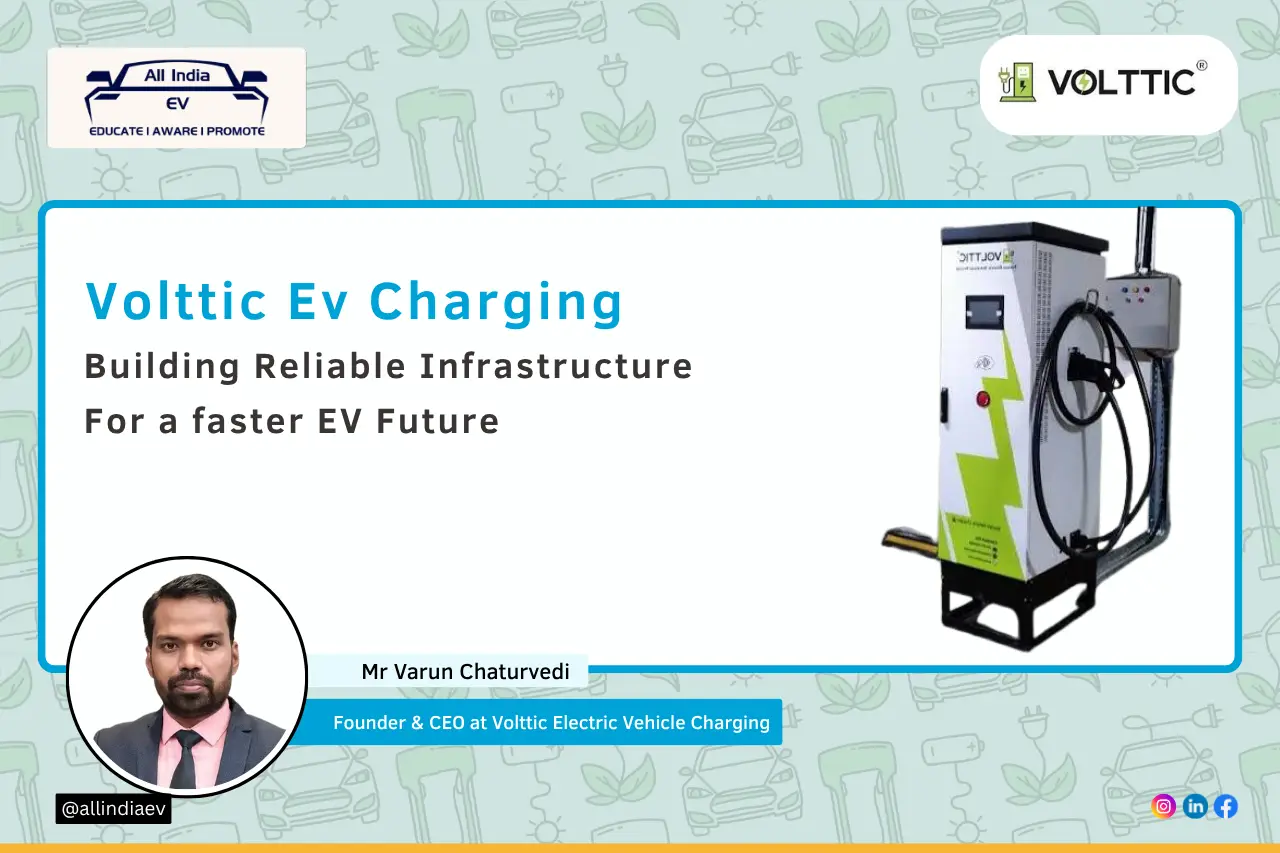
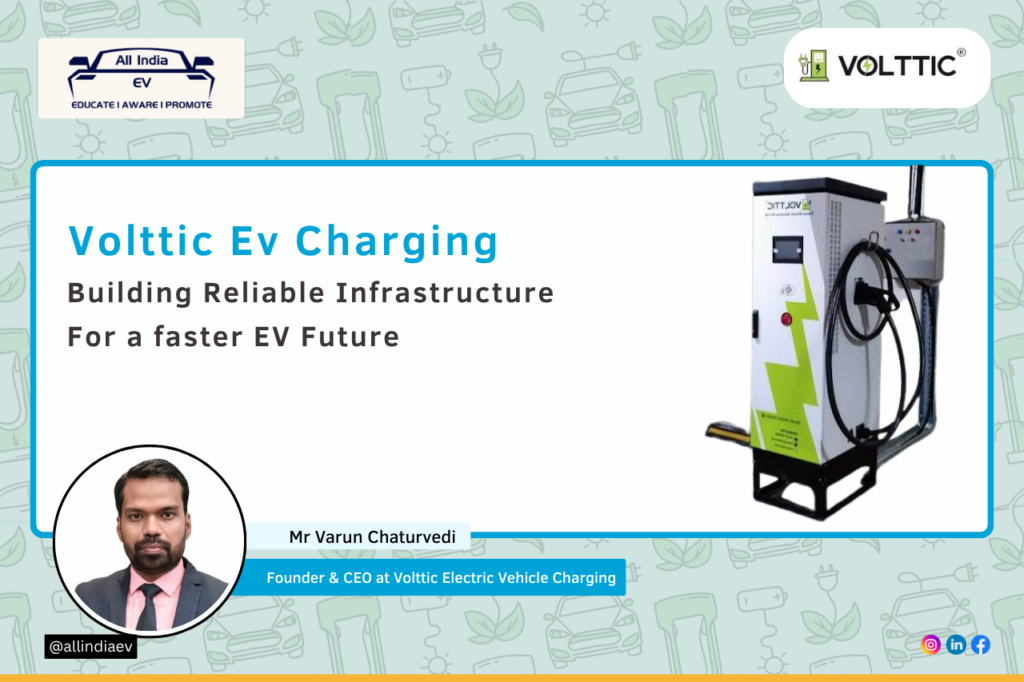
India’s EV charging ecosystem is moving into a phase where EV charging reliability in India is becoming as important as the number of charging points deployed. Volttic Electric Vehicle Charging, founded in 2017 by Varun Chaturvedi, has built its business around captive, fleet and workplace charging rather than relying exclusively on conventional public-charging deployment. The company says it has executed more than 1,250 charging-site projects since its first installation in 2019.
The company’s approach emerged from the challenges of India’s early EV market, when uncertainty around EV adoption and charging technology made investment decisions difficult. According to Chaturvedi, Volttic deliberately moved toward commercial and captive charging applications where utilisation could be higher by design. This model, combined with charger-management software, monitoring, preventive maintenance and service support, has been positioned as a way to improve both reliability and project economics.
The broader issue extends beyond hardware deployment. Charging operators have to manage multiple charging standards, vehicle compatibility, electricity connections, software systems, approvals and maintenance requirements. At the same time, financing remains difficult because charging infrastructure requires significant upfront capital while utilisation develops gradually. Volttic argues that infrastructure businesses need patient capital and a combination of commercial models to create sustainable returns.
Breaking Down the Update
- 52,700+ Stations: India was cited as having more than 52,700 public charging stations in July.
- 16,561 Fast Chargers: A significant portion of the reported network comprises fast-charging infrastructure.
- 1,250+ Projects: Volttic says it has delivered more than 1,250 charging-site projects since 2019.
- Founded in 2017: Volttic entered India’s charging market when EV adoption was still at an early stage.
- First Installation: The company’s first charging installation was completed in 2019.
- Business Model: Volttic focuses strongly on captive, fleet and workplace charging applications.
- Reliability Focus: Remote monitoring, preventive maintenance and field-service support are central to the company’s operating model.
- Interoperability Challenge: Multiple charging standards and vehicle requirements increase integration and maintenance complexity.
- Approval Bottlenecks: Electricity connections, utility approvals and local regulations can affect project timelines.
- Utilisation Matters: Higher charger utilisation is critical to improving the economics of charging infrastructure.
- Financing Challenge: Large upfront infrastructure requirements combined with slow utilisation growth make conventional financing difficult.
- Customer Experience: Charger availability, payment simplicity and accurate real-time information increasingly influence EV users.
- Commercial Fleet Opportunity: Fleet and commercial applications can provide more predictable utilisation than some purely public-charging locations.
- Proactive Maintenance: Volttic says it has moved from reactive servicing toward continuous monitoring and preventive intervention.
How EV charging reliability in India Will Help the Indian EV Market
EV charging reliability in India will increasingly determine whether the country’s expanding charging network translates into a dependable experience for EV users.
For consumers, a larger number of chargers is useful only when those chargers are operational, compatible with their vehicles and supported by a predictable payment and service experience. Improving uptime can therefore reduce uncertainty during intercity travel and increase confidence in public charging.
For OEMs, reliable charging infrastructure can support higher EV utilisation and reduce one of the practical concerns associated with long-distance ownership. Fleet operators stand to benefit even more because vehicle downtime directly affects operating economics. Charging systems that provide monitoring, predictable uptime and responsive maintenance can help fleets maintain vehicle availability.
For policymakers, the focus needs to evolve from installation targets toward measurable infrastructure performance. Charger uptime, electricity availability, connection timelines, interoperability and transparent tariff structures can provide a more meaningful assessment of charging-network effectiveness.
The financing dimension is equally important. Charging infrastructure requires substantial capital before utilisation reaches mature levels. Commercially viable models involving fleets, workplaces, captive sites, revenue-sharing partnerships and long-term infrastructure financing could make deployment more sustainable.
India’s next stage of EV growth will therefore depend not simply on adding charging points, but on developing an ecosystem in which those points remain available, financially viable and technically dependable.
Conclusion & Next Steps
The next phase of India’s charging transition will be defined by what happens after installation. EV charging reliability in India will remain a critical measure as operators, OEMs and policymakers move from infrastructure expansion toward network performance, utilisation and commercial sustainability. Volttic’s emphasis on captive and fleet applications, proactive maintenance and operational monitoring highlights one possible route to improving charging economics. The industry will need to watch charger uptime, utilisation rates, electricity-connection timelines, financing models and interoperability as the network expands. If deployment is matched by reliable operations and viable business models, India’s charging infrastructure can move from simply being larger to becoming genuinely dependable.