

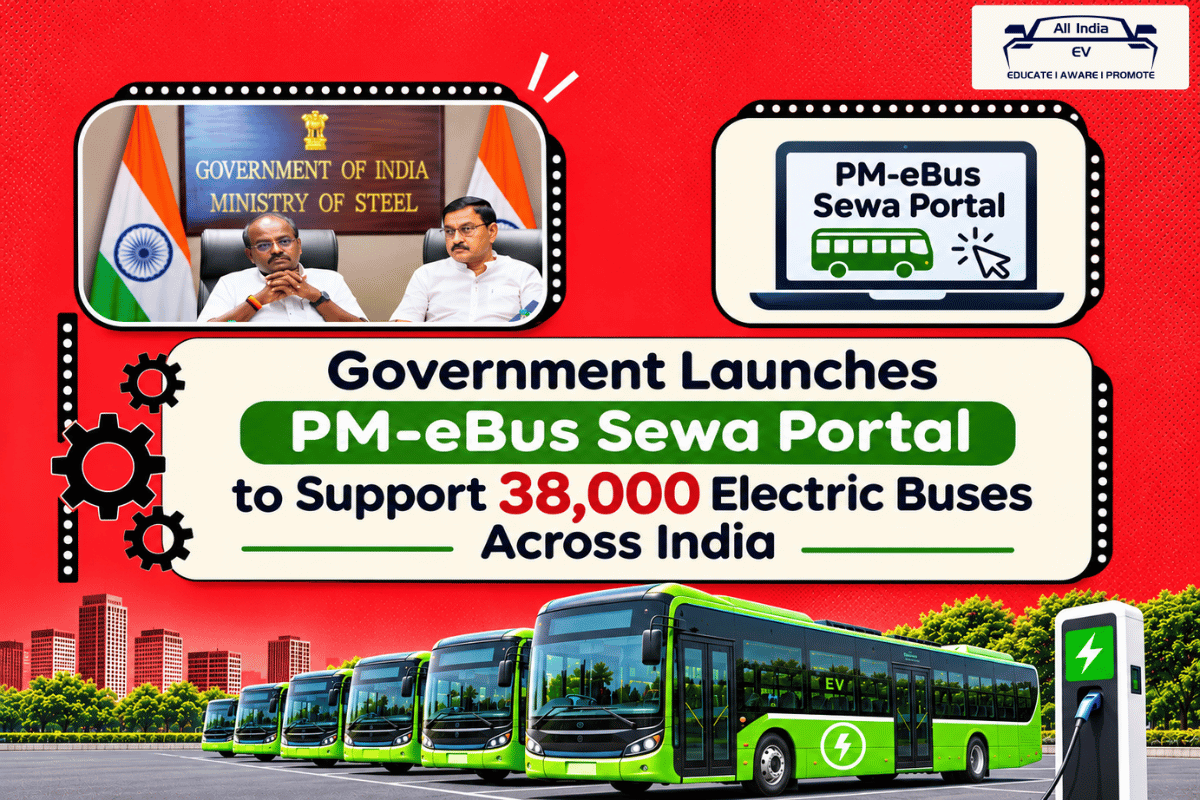
The Government of India has launched a dedicated digital portal under the PM-eBus Sewa Payment Security Mechanism (PSM) Scheme to strengthen the financial security of electric bus operations and accelerate the adoption of electric public transport across the country. The initiative is designed to provide payment protection for more than 38,000 electric buses, with a total financial outlay of ₹3,435.33 crore.
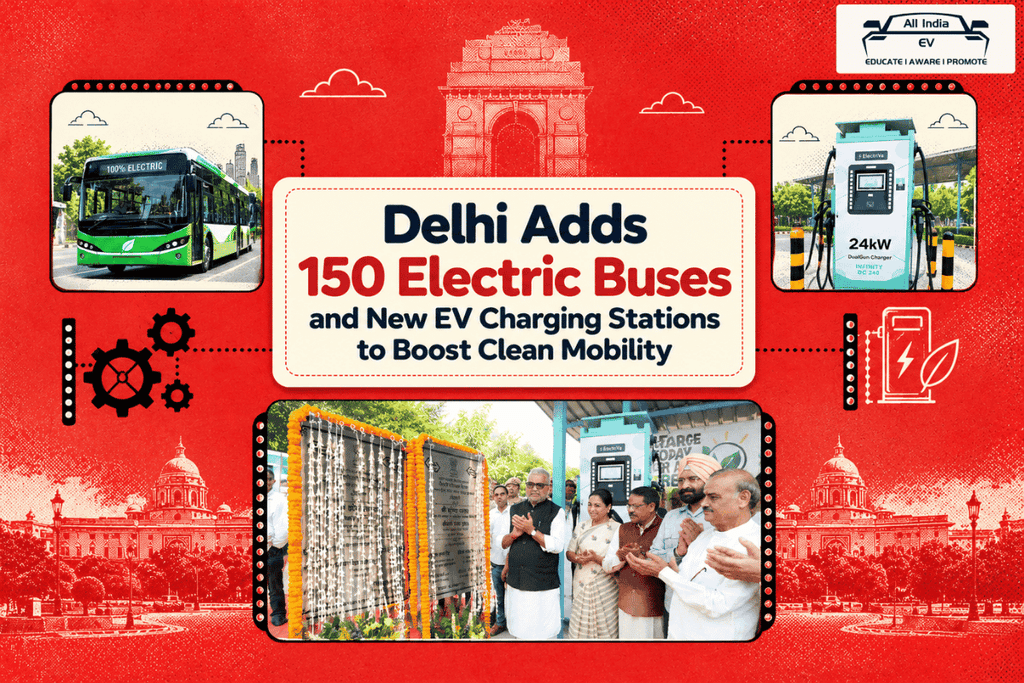
The portal was launched by Union Minister for Heavy Industries and Steel H D Kumaraswamy, along with Minister of State for Heavy Industries and Steel Bhupathiraju Srinivasa Varma, at GPOA-3, Netaji Nagar, New Delhi. The launch was attended by government officials, industry representatives and electric bus operators.
The new digital platform aims to improve the implementation and monitoring of the PM-eBus Sewa Payment Security Mechanism Scheme by facilitating payment security coverage for electric bus operators.
Payment Security for Electric Bus Operators
One of the major challenges facing India’s electric public transport sector is the risk of delayed payments from Public Transport Authorities (PTAs) to private bus operators. Under the Gross Cost Contract (GCC) model, private companies typically procure, own and operate electric buses while receiving monthly payments from government transport agencies.
However, concerns regarding payment delays and defaults have affected the willingness of private players to invest in large-scale electric bus deployment.
The PM-eBus Sewa-PSM Scheme addresses this challenge by introducing a dedicated payment security mechanism. In cases where Public Transport Authorities fail to meet their payment obligations, the scheme is intended to provide financial protection to eligible electric bus operators.
The initiative aims to improve cash flow certainty, reduce financial risks and make electric bus operations more financially sustainable.
Scheme to Support Electric Bus Operations for 12 Years
The PM-eBus Sewa-PSM Scheme provides payment security support for electric bus operations for up to 12 years. With an allocation of ₹3,435.33 crore, the programme targets the deployment and operation of more than 38,000 electric buses across India.
According to the Ministry of Heavy Industries, all 27 participating states and Union Territories have responded to the scheme. This reflects growing participation from state governments and public transport authorities in India’s electric mobility transition.
The scheme is expected to encourage greater private-sector participation by reducing uncertainties associated with long-term electric bus contracts.
Boost to India’s Electric Public Transport Ecosystem
The launch of the portal represents an important step towards strengthening India’s electric bus ecosystem. By addressing payment-related concerns, the government aims to create a more attractive investment environment for electric bus manufacturers, fleet operators and other stakeholders.
Greater financial confidence could encourage companies to participate in government-led electric bus deployment programmes and expand their operations across more cities.
The initiative also complements India’s broader efforts to reduce dependence on fossil fuels, improve urban air quality and promote sustainable public transportation.
With the PM-eBus Sewa Payment Security Mechanism now supported by a dedicated digital portal, the government is seeking to improve financial accountability and accelerate the expansion of electric bus services.
The initiative is expected to play an important role in supporting India’s transition towards cleaner, more reliable and financially sustainable public transportation.