

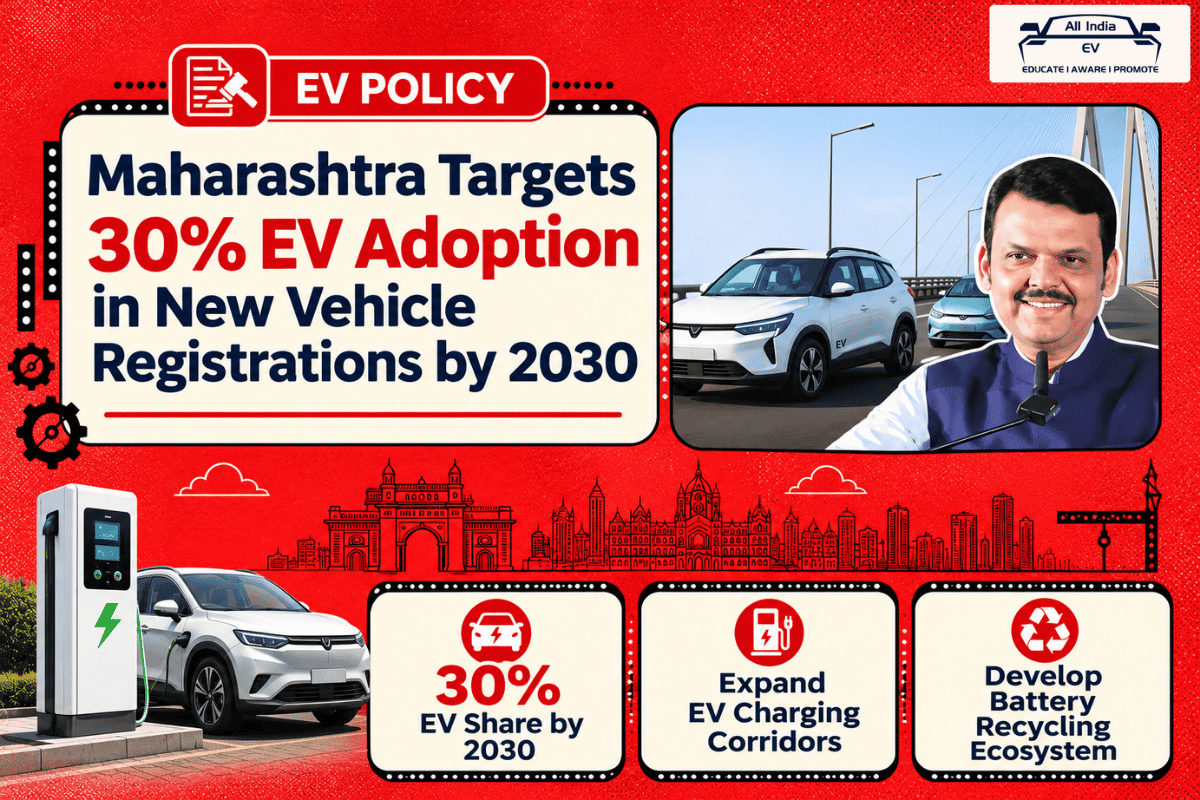
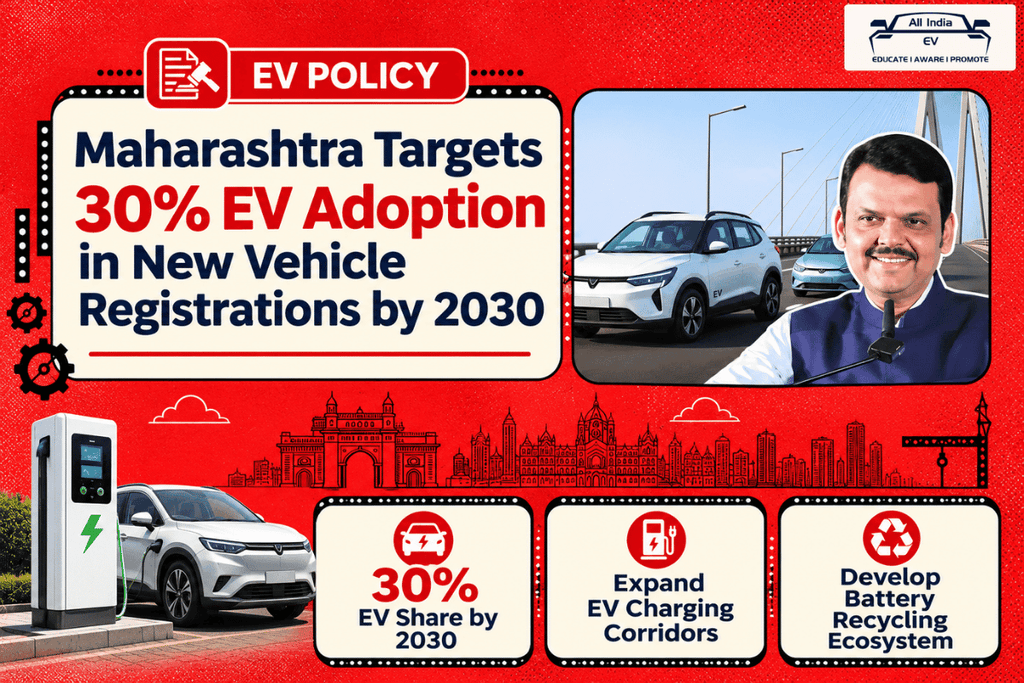
Maharashtra is stepping up its electric mobility ambitions, with the state government targeting a 30% share of electric vehicles (EVs) in all new vehicle registrations by 2030. Chief Minister Devendra Fadnavis announced the target, highlighting the state’s commitment to accelerating clean transportation, strengthening EV infrastructure and positioning Maharashtra as a global centre for future mobility.
The announcement was made during the launch of the Mercedes-Benz GLC Electric at the company’s manufacturing facility in Chakan, Pune district. Fadnavis stated that the government is working towards transforming Maharashtra from a major automobile manufacturing destination into a leader in electric vehicle technology, innovation and sustainable mobility.
Under the state’s Electric Vehicle Policy, the government aims to ensure that nearly three out of every ten newly registered vehicles in Maharashtra will be electric by the end of 2030. Achieving this target will require coordinated efforts across vehicle manufacturing, charging infrastructure, battery technology and supporting industries.
Maharashtra Focuses on EV Charging Infrastructure and Battery Recycling
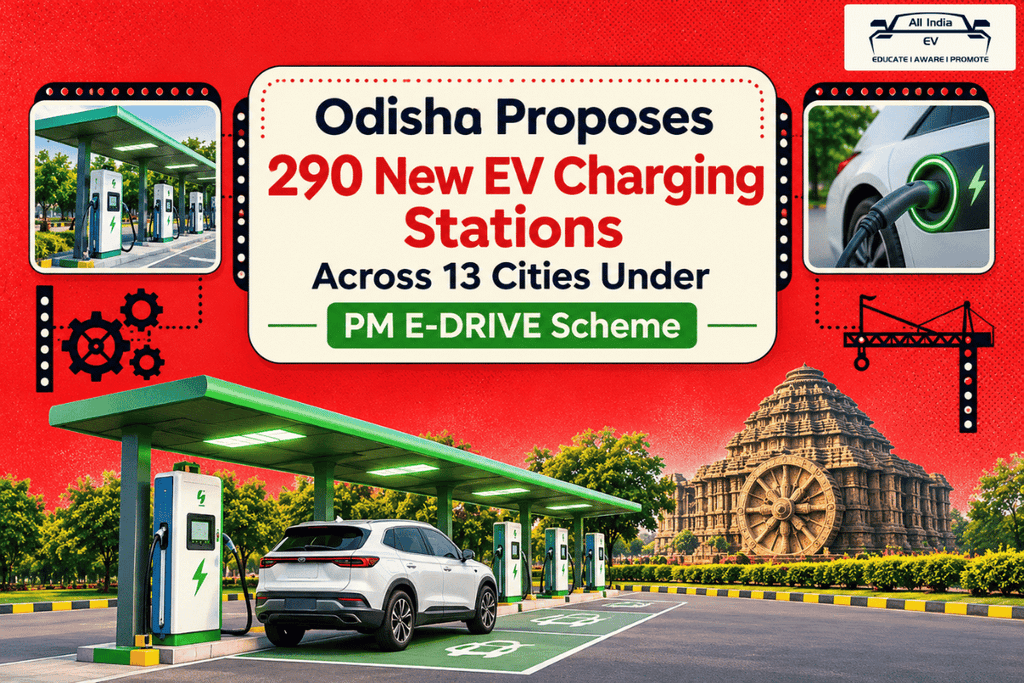
To support the growing adoption of electric vehicles, the Maharashtra government is prioritising the expansion of fast-charging infrastructure across major highways and important transportation routes.
The state is particularly focusing on developing sustainable mobility corridors along the Mumbai-Pune Expressway and the Mumbai-Nagpur Samruddhi Mahamarg. These routes are expected to play an important role in improving long-distance EV connectivity and addressing charging accessibility concerns among electric vehicle owners.
Alongside charging infrastructure, the government is also emphasising the development of battery recycling facilities. Establishing an effective battery recycling ecosystem will be important for managing used EV batteries, recovering valuable materials and supporting the long-term sustainability of electric mobility.
These initiatives are expected to create a stronger foundation for electric passenger vehicles, commercial EVs and other electric mobility segments across the state.
Maharashtra Aims to Become a Global EV Technology Hub
Fadnavis highlighted that Maharashtra’s ambitions extend beyond electric vehicle manufacturing. The state wants to establish itself as a global destination for innovation in battery technology, power electronics, semiconductors, artificial intelligence, automotive software, vehicle design and research and development.
According to the Chief Minister, future vehicles will increasingly function as integrated mobility platforms combining computing technologies, energy systems and artificial intelligence. Maharashtra intends to play a significant role in this transformation by encouraging research, engineering and advanced technology development.
The state currently accounts for more than 20% of India’s total automobile production. Pune and the adjoining Pimpri-Chinchwad industrial region remain important automotive manufacturing centres, hosting several major vehicle manufacturers and supporting industries.
The government is now looking to move beyond its traditional manufacturing strengths towards an innovation-driven automotive ecosystem.
Mercedes-Benz Investment Strengthens Maharashtra’s EV Ecosystem
The Chief Minister also encouraged Mercedes-Benz to use its Chakan manufacturing facility as a production and export hub for India and international markets. He highlighted the potential for the company to expand its activities in battery technology, software engineering and mobility research in Maharashtra.
Mercedes-Benz has invested approximately ₹3,200 crore in its Maharashtra operations. Its Chakan facility directly employs around 1,200 people, while its supplier and service network supports employment for another 18,000 people.
Fadnavis also noted that around 650 prospective customers had expressed interest in the newly launched GLC Electric within 36 hours of its launch, indicating growing interest in premium electric vehicles in India.
Deputy Chief Minister Sunetra Pawar highlighted Mercedes-Benz’s contribution to Maharashtra’s industrial development over the past three decades. She described the commencement of local electric vehicle production as an important milestone for Pune’s automotive industry and reaffirmed the government’s commitment to supporting investors and resolving industry-related challenges.
Infrastructure Development to Support Future Mobility
Maharashtra’s infrastructure development is expected to further strengthen its position as an automotive and EV manufacturing destination. The upcoming Navi Mumbai International Airport, proposed Purandar Airport near Pune and Vadhavan Port in Palghar are expected to improve the state’s connectivity with domestic and international markets.
These infrastructure projects, combined with investments in EV manufacturing, charging networks and battery recycling, could attract further investment into the state’s electric mobility ecosystem.
With its 2030 EV adoption target, Maharashtra is looking to accelerate the transition towards cleaner transportation while creating opportunities in advanced automotive technologies, manufacturing and research.
The success of this initiative will depend on effective policy implementation, accessible charging infrastructure, affordable electric vehicles and continued industry participation. If these efforts progress as planned, Maharashtra could strengthen its position as one of India’s leading destinations for electric mobility and next-generation automotive innovation.