
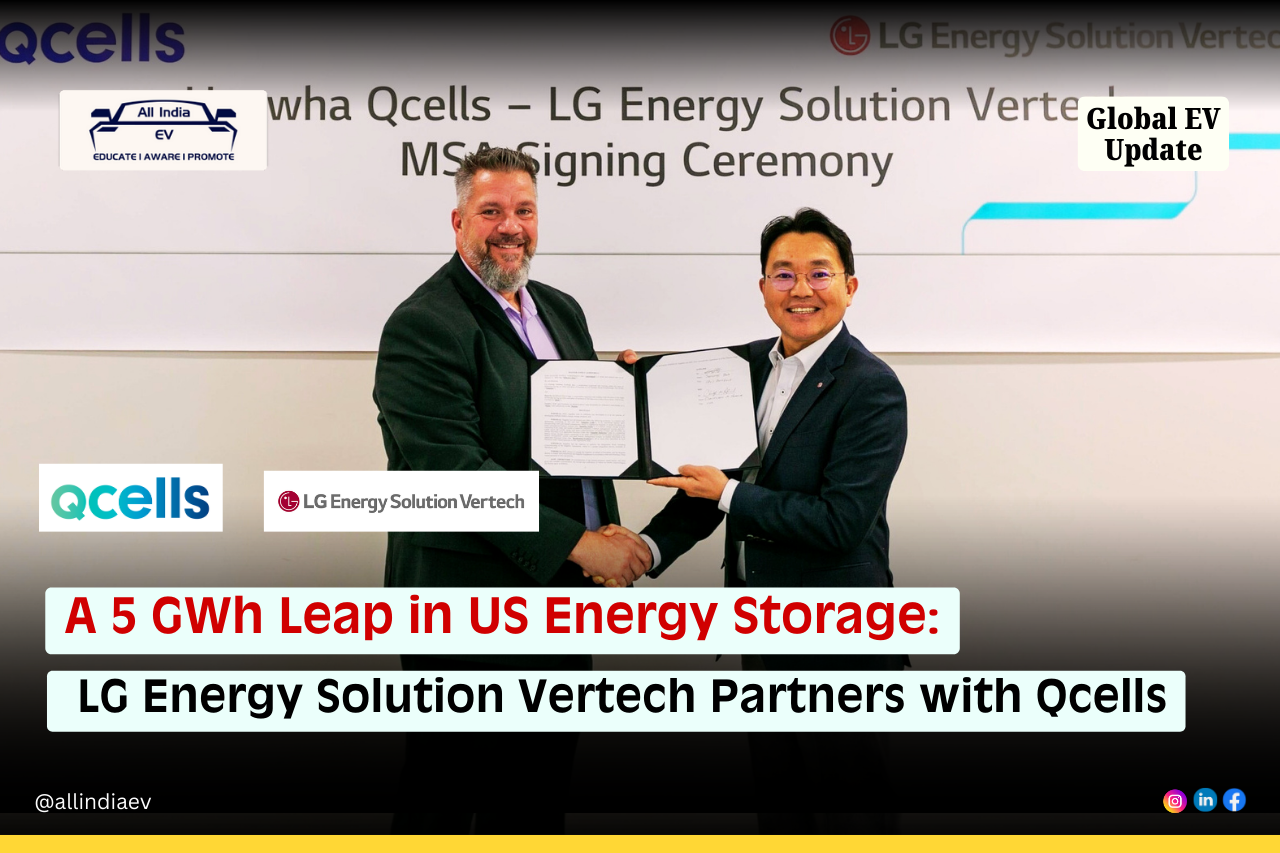

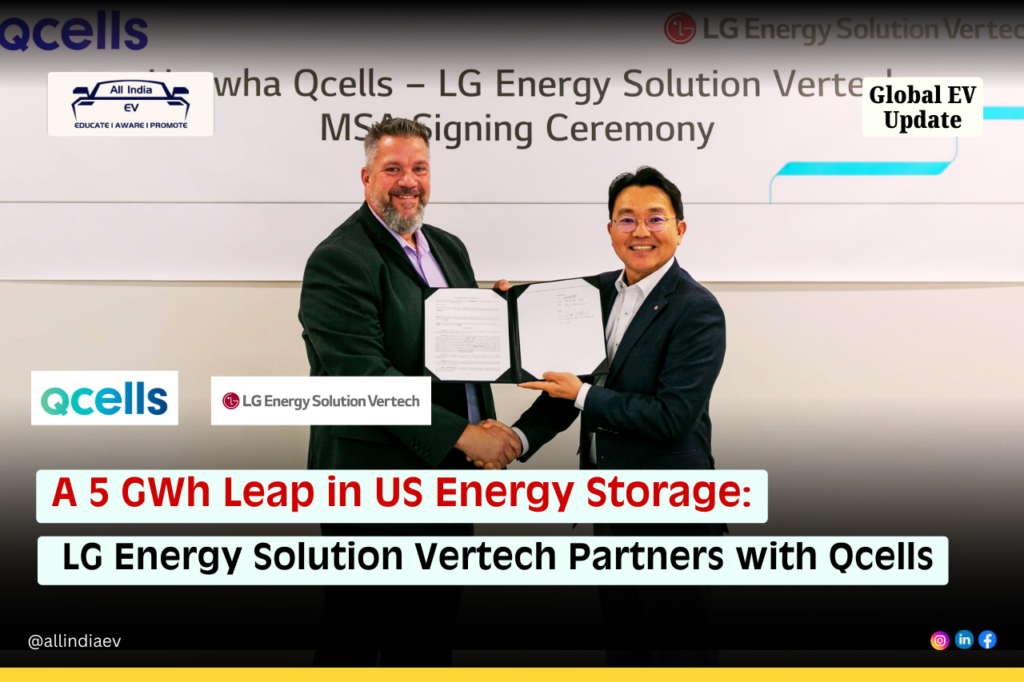
In a significant boost for clean energy infrastructure in the United States, LG Energy Solution Vertech and Qcells have unveiled a landmark multi-year agreement that will deliver 5 gigawatt-hours (GWh) of advanced energy storage products for utility-scale projects. The announcement, made late Tuesday, marks a major milestone in the deployment of battery-based solutions designed to support renewable energy growth and reinforce energy reliability across key U.S. markets.
Strategic Alliance to Power Future Projects
Under the new agreement, the companies will work together to integrate 5 GWh of lithium-ion battery energy storage systems (BESS) into Qcells’ major engineering, procurement, and construction (EPC) programs scheduled for deployment between 2028 and 2030. This commitment underscores both firms’ long-term vision for grid-scale storage solutions capable of supporting an increasingly renewable-powered electric grid.
This latest deal builds on an existing relationship between the partners. In May 2024, Qcells signed battery purchase agreements totaling 4.8 GWh with LG Energy Solution Vertech for earlier energy storage system installations across the United States. The new 5 GWh commitment expands that prior collaboration and represents a significant scale-up of shared infrastructure ambitions.
Domestic Manufacturing and Job Growth Highlighted
A key element of the agreement is its focus on U.S. domestic content, a strategic priority for both companies. LG Energy Solution’s energy storage products are manufactured in Holland, Michigan, while Qcells’ solar panels are produced at its facilities in Georgia, reinforcing significant job creation and supply chain development in American clean energy manufacturing.
“Qcells is proud to partner with LG Energy Solution on a project that shows what’s possible when energy development supports U.S. manufacturing,” said Chris Hodrick, CEO of Qcells EPC. “This collaboration reflects our shared commitment to building clean energy the right way: creating American jobs, strengthening supply chains, and delivering reliable, affordable power for communities across the country.”
More EV News
Leaders from both organizations emphasize that the partnership goes beyond product delivery it reinforces broader strategic goals around grid reliability and domestic production. LG Energy Solution Vertech President and CEO Jaehong Park noted that the firm is committed to supporting its customers “throughout their lifecycles,” helping to ensure the long-term success of energy storage deployment initiatives across the U.S.
Supporting the Clean Energy Transition
Energy storage is rapidly emerging as a critical component of the clean energy ecosystem. Batteries enable utilities and developers to manage intermittent renewable generation such as solar and wind by storing excess power and dispatching it when demand peaks or when generation fluctuates. As renewable energy adoption accelerates, grid-scale energy storage solutions are becoming indispensable for maintaining system reliability, balancing load, and smoothing variability from weather-dependent resources.
Industry analysts highlight that large deployments of BESS can also support grid resilience, reduce reliance on fossil fuel peaking plants, and facilitate carbon emissions reductions. A surge in corporate and utility investment into storage technology reflects an energy transition in motion, with energy storage capacity additions gaining momentum across North America and internationally.
Looking Ahead
This 5 GWh agreement between LG Energy Solution Vertech and Qcells positions both companies at the forefront of the energy storage market, where demand is expected to expand rapidly over the coming decade. As more renewable energy projects integrate battery systems, strategic partnerships like this will be essential for addressing technical, economic, and logistical challenges associated with grid-scale storage.
The announcement also aligns with broader industry trends: companies worldwide are ramping up storage capacity commitments, as seen in other sizable battery supply agreements and multi-gigawatt initiatives across the U.S. and Europe. These developments point to a future where energy storage is central to a modern, resilient, and low-carbon electricity network.