

From Smart Vehicles to Digital Ecosystems: How Technology Is Driving a Mobility Revolution
India’s automotive landscape is undergoing a profound transformation as artificial intelligence (AI) and advanced software technologies redefine mobility, industry strategies and the very nature of vehicle design and use. From autonomous driving and connected cars to digital aftermarket services, the shift away from traditional hardware-centric engineering toward a software-led future is gaining momentum, reshaping both established automakers and emerging tech players.
A Paradigm Shift in Automotive Engineering
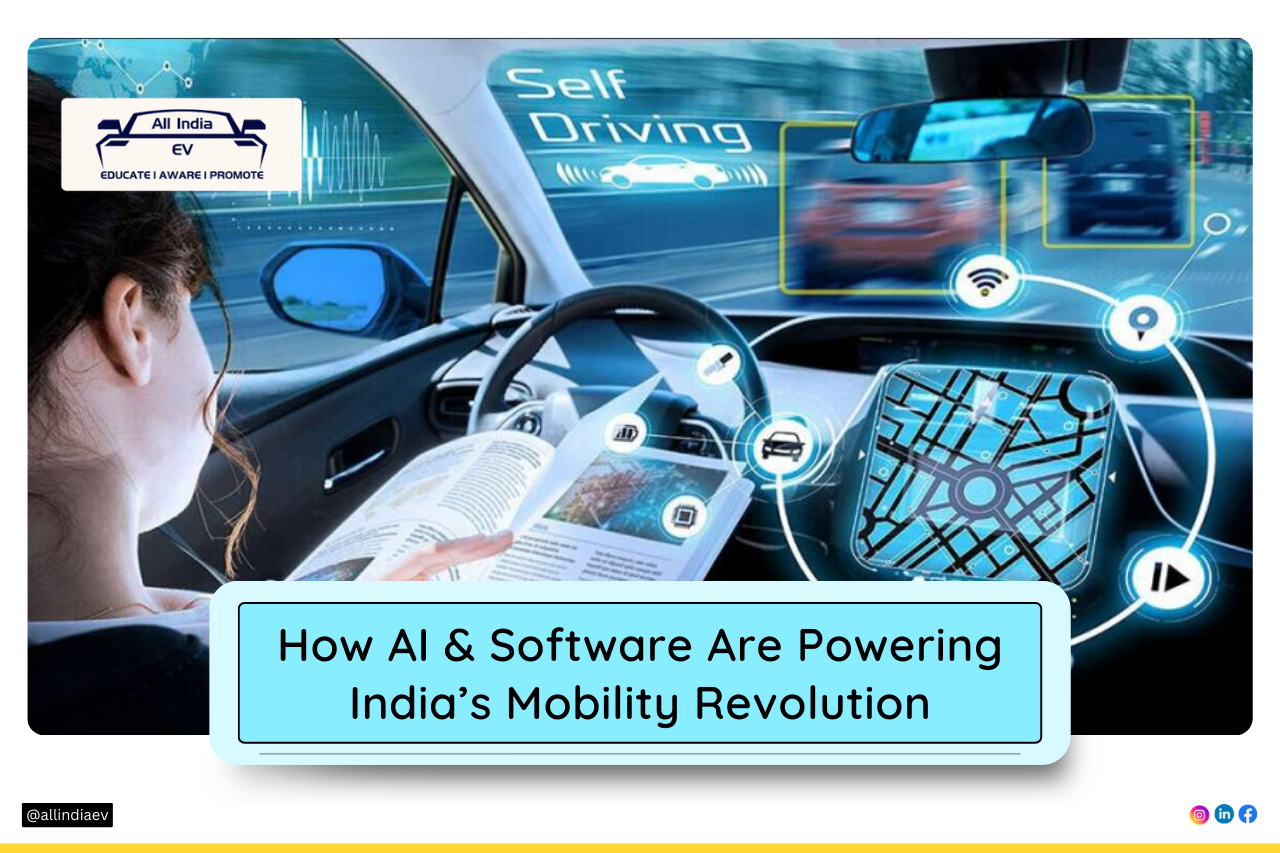
For decades, automobiles were built around mechanical performance and internal combustion engines (ICE). Today, software intelligence and artificial neural networks are becoming core to modern mobility. AI is now central to autonomous driving systems that can interpret sensor data, make real-time decisions and enable vehicles to navigate complex environments without direct human input.
This transition reflects a broader industry trend: vehicles are evolving into software-defined platforms whose capabilities from driver assistance to digital services are updated over the air, similar to smartphones. These capabilities increasingly influence purchase decisions and long-term value, especially in premium electric vehicles (EVs).
Software-Defined Vehicles (SDVs): The New Frontier
A pivotal element of the future automotive ecosystem is the software-defined vehicle (SDV) cars and trucks whose key functions are primarily controlled by software. SDVs enable automakers to decouple hardware from innovation cycles; instead of waiting months for mechanical upgrades, companies can now deploy new features and safety improvements via software updates.
In India, both domestic brands and global players are investing heavily in software talent and partnerships. These efforts aim to localize advanced capabilities like autonomous lane guidance, predictive battery management and voice-activated interfaces tailored to Indian roads and languages. Industry observers say this shift will also boost competitiveness by enabling faster adoption of new mobility models, such as subscription services or shared autonomous fleets.
AI and Autonomous Driving: Beyond the Hype
While fully autonomous Level 5 vehicles capable of self-driving in all conditions without human intervention are still years away, India is already seeing real progress in advanced driver-assistance systems (ADAS) and intelligent transport systems. These technologies enhance safety by monitoring driver behavior, detecting potential collisions and assisting in emergency braking.
More EV News

AI’s role is not limited to the vehicle itself. Broader infrastructure projects, including AI-powered traffic management systems in major cities, are underway to optimize signal timings, recognize violations and manage congestion in real time, potentially reducing delays and accidents.
Collaborations, Investments and Ecosystem Growth
Another key aspect of this transformation is collaboration between traditional automakers, tech companies and startups. Partnerships whether for chip design, autonomous software stacks or cloud-based telematics platforms are helping Indian manufacturers accelerate innovation without building capabilities from scratch.
Industry analysts also point out that the aftermarket segment is rapidly digitalizing. Connected solutions allow service providers, insurers and fleet operators to remotely diagnose vehicle health, predict maintenance needs, and tailor customer experiences. These data-driven services are creating new revenue streams and improving vehicle uptime.
Balancing Powertrains: ICE, EV and Beyond
Despite the surge in electrification and software capabilities, traditional internal combustion engines are expected to continue coexisting with EVs and hydrogen fuel systems through the next decade. Indian regulators and vehicle makers are pursuing a multi-path transition, balancing consumer choice with sustainability goals and infrastructure readiness.
This coexistence strategy acknowledges India’s vast and varied transport needs from two-wheelers and three-wheelers to heavy commercial vehicles while laying the groundwork for broader electrification bolstered by intelligent software and connectivity.
Challenges and the Road Ahead
The shift to AI and software-driven mobility also brings challenges. Developing robust algorithms that can reliably handle India’s complex road conditions from narrow lanes and heavy traffic to mixed vehicle types requires extensive real-world data and customized models. Additionally, cybersecurity and data privacy remain areas of concern, as vehicles generate increasing volumes of user and system data.
Nonetheless, industry stakeholders remain optimistic. Investments in AI research, software talent acquisition, and scalable platforms underscore a long-term commitment to transforming India into a global hub for intelligent mobility innovation.