

Major Infrastructure Push to Boost Electric Mobility and Support E-Rickshaw Growth in the State
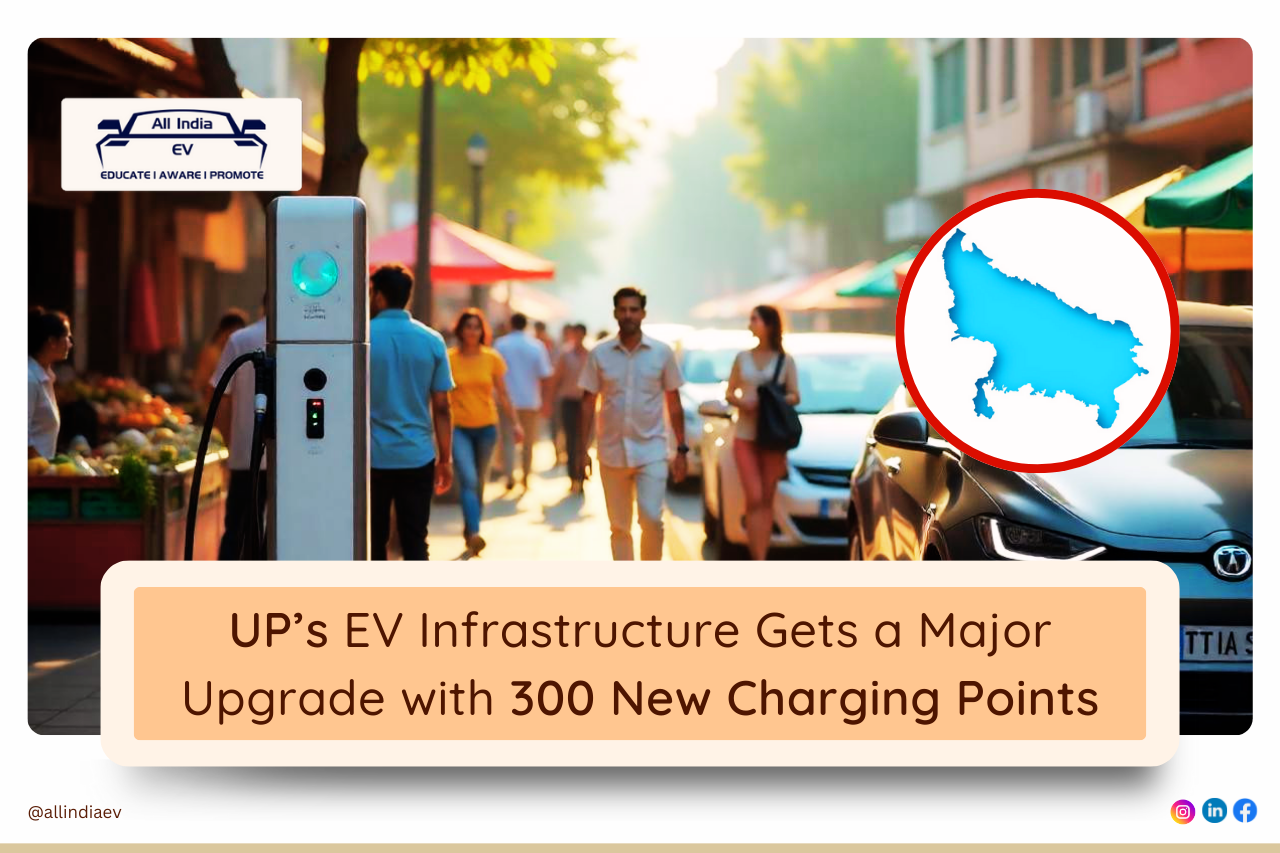
In a significant step toward strengthening its electric vehicle (EV) ecosystem, the Government of Uttar Pradesh has announced plans to set up 300 new EV charging stations in strategically identified locations across major cities in the state. The move aims to reinforce green mobility infrastructure, support the rapidly expanding EV population, and reduce the operational costs of electric vehicles, particularly for auto-rickshaw operators.
According to the official proposal submitted by urban local bodies, these charging stations will be built in 16 municipal cities, with Ayodhya and Lucknow earmarked to receive the greatest share 28 and 27 stations respectively.
This initiative centres on developing modern and accessible charging facilities that can serve a range of electric vehicles, with a particular focus on the three-wheeler segment. Auto-rickshaws constitute nearly 85 percent of the state’s EV population, and the new infrastructure is expected to dramatically ease recharging challenges faced by drivers who often struggle to find available charging spots.
Officials involved in planning have highlighted that preliminary surveys have already been completed in the targeted cities. Initially, plans called for allocating between 180 sq ft and 200 sq ft of land per charging station, but this was revised to approximately 300 sq ft per site to accommodate multiple vehicles including two to three four-wheelers and to ensure smoother traffic flow and safe operations.
The project is being promoted under a public-private partnership (PPP) model, with bids already floated to engage private operators for construction, upkeep, and management of the charging points. This strategy is intended to attract investment, leverage private expertise, and create a long-term revenue opportunity for participating partners.
To further streamline operations, the state’s EV body, UP Renewable and EV Infrastructure Limited (UPREV), will play a pivotal role in setting technological and operational standards. UPREV will help implement digital payment systems at stations, ensuring electric vehicle owners can recharge quickly and conveniently, and private operators can benefit financially.
More EV News

The charging infrastructure rollout also includes plans for dedicated access and exit routes at busy locations to manage traffic and enhance user experience. These design elements reflect the administration’s focus on integrating EV infrastructure into day-to-day urban mobility rather than leaving it as a peripheral or underutilised facility.
Experts say this initiative is part of Uttar Pradesh’s broader policy thrust on clean energy and mobility, which has seen the state emerge as one of the leaders in EV infrastructure development in India. In recent years, Uttar Pradesh has witnessed rapid growth in EV adoption and related infrastructure, with over 2,300 charging stations already in operation, serving a diverse mix of two-, three- and four-wheeled electric vehicles.Environmental analysts and industry stakeholders have praised the state government’s proactive approach, noting that expanded charging networks not only support climate goals but also encourage economic activity in emerging mobility sectors. With the nation steadily moving toward electrification of transport, Uttar Pradesh’s plan for 300 new charging stations sends a strong signal of commitment to sustainable urban mobility and future-ready transportation solutions.