

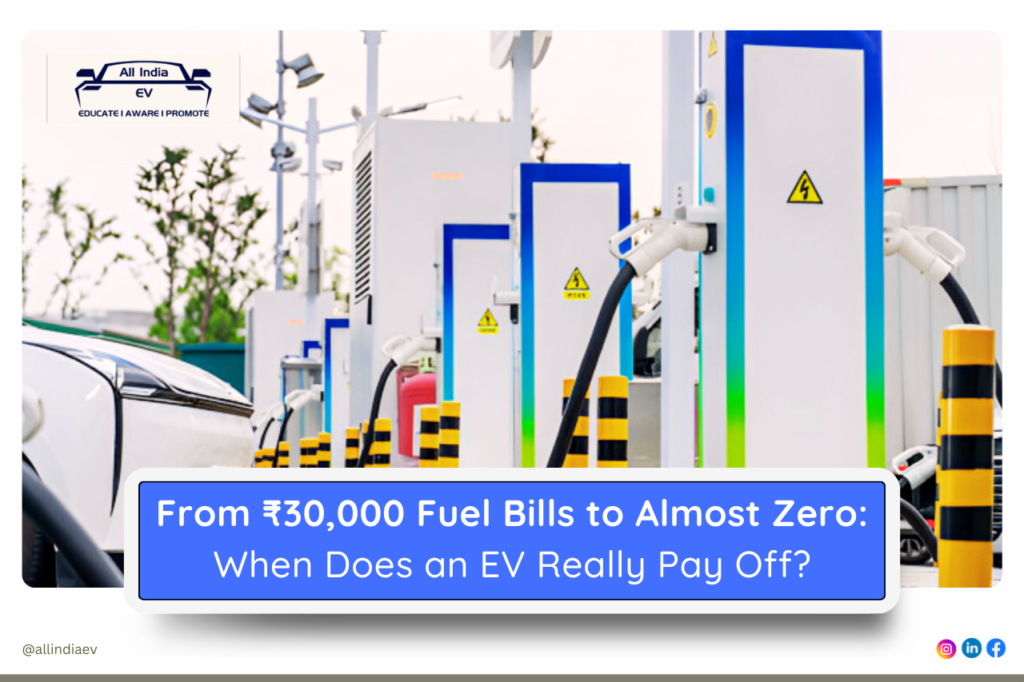
Industry specialists highlight cost benefits, charging access, safety myths, battery life and ideal EV users at EVReady 2026 in Bengaluru
Electric vehicles (EVs) are gaining strong momentum across India, but industry specialists attending the EVReady 2026 conclave in Bengaluru say their true financial and practical value depends on smart buying choices, usage patterns, charging access and long-term operating costs. Experts explained how EVs can drastically cut running expenses sometimes to near zero and offered clarity on battery safety, total cost of ownership and evolving consumer expectations.
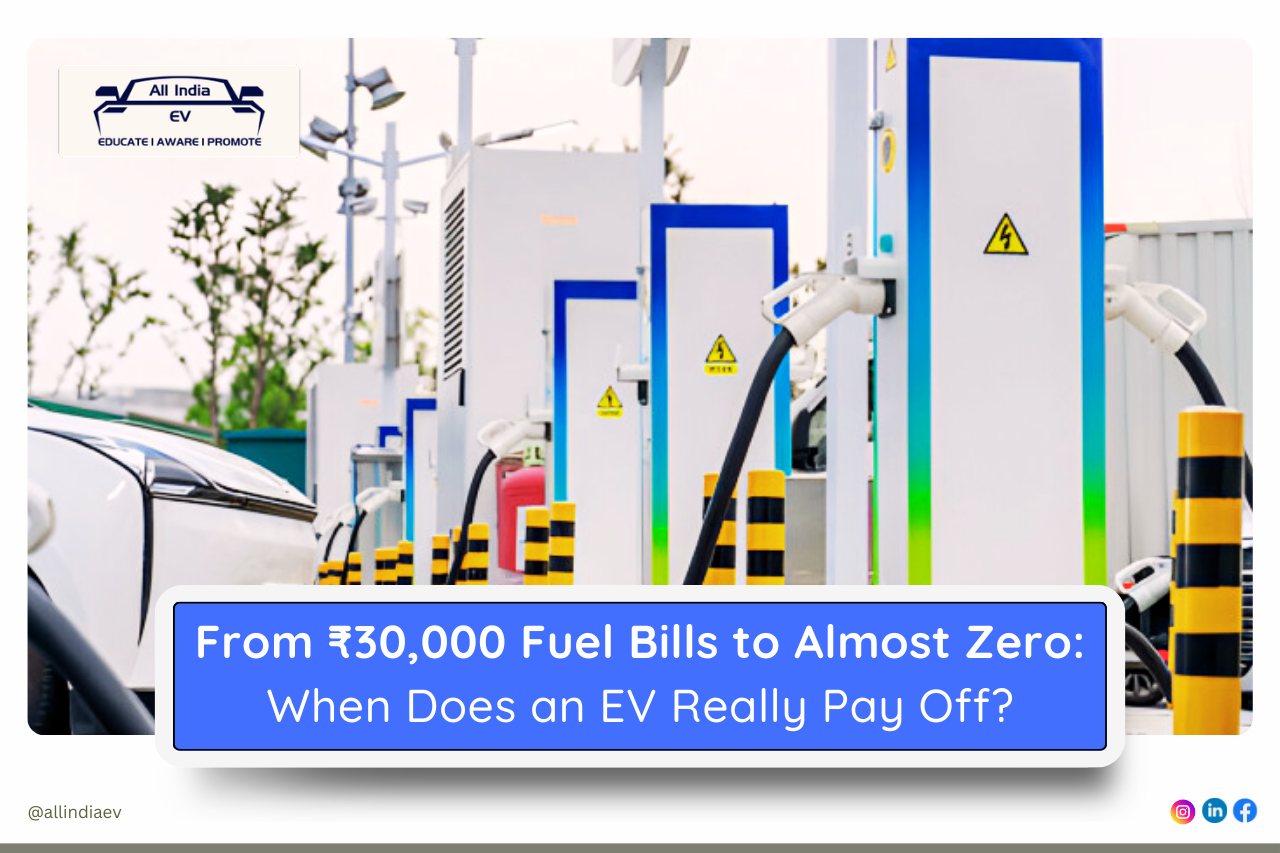
At the conclave, panelists pointed out that high recurring fuel costs are often the main reason drivers are considering EVs. One expert, speaking about personal experience, revealed that daily travel of around 50 km earlier cost nearly ₹30,000 per month in petrol. After switching to an EV and installing solar panels at home for charging, the operational costs dropped dramatically approaching zero while maintenance expenses remained minimal.
Who Actually Saves With an EV?
Experts said EVs make the most financial sense for drivers with high daily mileage typically those covering at least 40–60 km every day. In such scenarios, the low cost of electricity versus petrol or diesel can lead to significant savings over time. For four-wheeler owners with shorter commutes, however, the return on investment (ROI) is limited, according to industry specialists.
In contrast, electric two-wheelers often achieve a quicker ROI, especially for urban users who log many short trips. When comparing electric cars with hybrid alternatives where, for example, a hybrid model costs around ₹24.5 lakh on-road and an EV is priced around ₹23.5 lakh EVs only become more economical with consistent, high-distance use.
Debunking Safety Myths
A key concern among potential buyers has been safety, particularly around batteries. Experts at the conclave stressed that EVs are not inherently less safe than petrol or diesel vehicles. Strict regulatory standards govern battery systems, vehicle architecture and charging infrastructure. Multiple layers of safety testing and compliance ensure that EVs meet both national and international benchmarks before they hit the roads.
Software Is the New Heart of the Vehicle
Today’s EVs are increasingly seen as software-driven machines much like smartphones on wheels. Experts highlighted that buyers are now paying as much attention to digital interfaces, connectivity and frequent software upgrades as traditional performance metrics. The simpler mechanical structure of EVs, with far fewer moving parts than internal combustion engine vehicles, also makes them easier to scale in manufacturing.
Choosing the Right EV Matters
Brand choice, specialists said, is more important than ever. While design and comfort help attract buyers, consumers must prioritise battery quality, precise range estimates, safety certifications, and reliable software platforms. There were warnings that some battery testing methods used overseas may not meet stringent safety criteria, making certified, extensively tested battery systems a priority for informed buyers.
More EV News
Battery Longevity and Degradation
On the topic of battery degradation one commonly cited drawback panelists assured attendees that lithium-ion batteries typically degrade by only 1–3% per year. Global data shows less than 20% degradation over several years, often backed by 8–10 year warranties offered by manufacturers. With increasing EV adoption, charging infrastructure is expected to grow as well, helping alleviate “range anxiety.”
Transition to Commercial and Service-Based EV Usage
Experts also noted a shift in how EVs are deployed. While personal ownership remains prominent, commercial applications, particularly in delivery services, ride-hailing and last-mile logistics, are picking up fast. New business models such as battery subscription services were highlighted as ways to reduce upfront vehicle costs and simplify maintenance. This shift mirrors trends already seen in sectors like rail, where nearly all trains in India operate on electric power.
Driving Efficiently and Maximising Returns
To get the best performance and economy from EVs, specialists recommended disciplined driving for example, staying below roughly 80 km/h for cars and 40–50 km/h for two-wheelers. Driving faster tends to increase battery consumption and reduce range.
Charging Infrastructure on the Rise
Finally, experts were upbeat about charging access in India. They said that improvements in the number of public chargers, regulatory standards and private investment are rapidly making EV charging more convenient a trend that will only accelerate as adoption grows.
In conclusion, while EVs are not a one-size-fits-all solution, specialists at EVReady 2026 emphasised that for the right users and usage patterns, electric vehicles can deliver real financial and environmental benefits especially when paired with renewable energy solutions and smart charging strategies.