


Hybrid Cars in India Bridging the Gap Between Petrol & Electric Vehicles
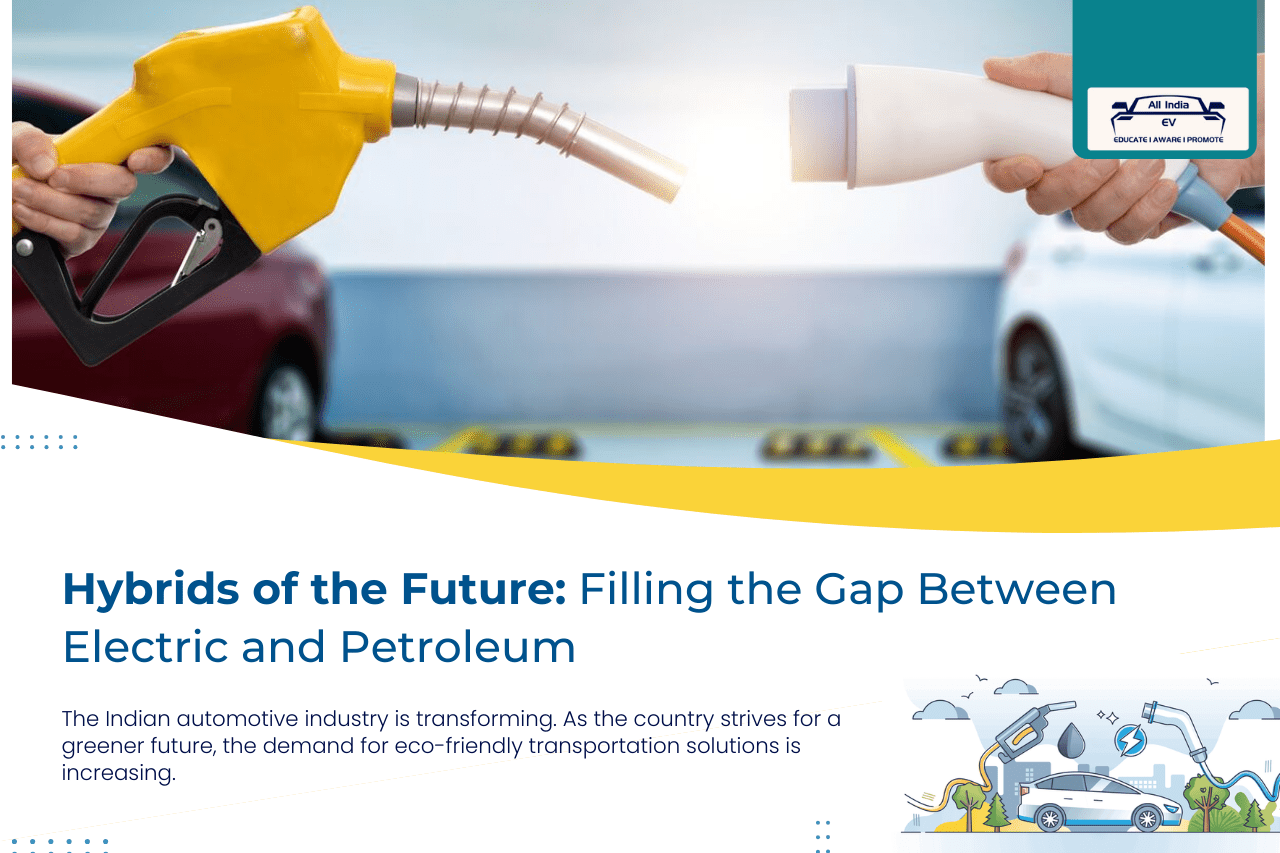
India’s automotive landscape is undergoing a significant transformation as the nation accelerates towards sustainable mobility solutions. While pure electric vehicles (EVs) represent the future of zero-emission transportation, next-generation hybrid vehicles are emerging as a practical intermediary, bridging the gap between traditional petroleum-powered cars and fully electric models. These hybrid cars in India offer a balanced blend of conventional fuel efficiency and electric innovation, making them an attractive option for Indian consumers navigating the transition to greener transportation.
Understanding Next-Generation Hybrids
Next-generation hybrid vehicles, commonly referred to as hybrid electric vehicles (HEVs), integrate a gasoline engine with an electric motor to propel the vehicle. These systems intelligently alternate between gasoline and electric power based on driving conditions, thereby enhancing fuel efficiency and reducing emissions.
Advanced features such as regenerative braking capture energy during deceleration, storing it in the battery for future use. This technology not only optimizes energy utilization but also alleviates concerns related to charging infrastructure—a significant consideration in the Indian context.
The Indian Hybrid Market: A Statistical Overview
The Indian hybrid vehicle market has witnessed substantial growth in recent years. In the first half of 2024, the country recorded sales of 51,832 hybrid electric vehicles, marking a 30% increase compared to the same period in the previous year. This surge indicates a growing consumer inclination towards hybrid technology as a viable alternative to conventional vehicles.
Projections for the hybrid vehicle market in India are optimistic. The market is expected to reach USD 525.55 million in 2025 and grow at a compound annual growth rate (CAGR) of 24.81%, potentially reaching USD 1.28 billion by 2029. This anticipated growth underscores the increasing acceptance and demand for hybrid vehicles among Indian consumers.
More EV News

Benefits of Hybrids in the Indian Context
- Fuel Efficiency: Hybrids can reduce fuel consumption by up to 40%, offering significant savings for daily commuters amidst rising fuel prices.
- Urban Traffic Compatibility: In congested city environments, hybrids utilize electric power at low speeds, decreasing both emissions and fuel usage.
- Infrastructure Independence: Unlike pure EVs, hybrids do not rely on external charging infrastructure, as their batteries are charged internally through the gasoline engine and regenerative braking.
- Environmental Considerations: For eco-conscious consumers, hybrids present a practical solution that combines the familiarity of conventional vehicles with reduced environmental impact.
Challenges and the Road Ahead
Despite their advantages, hybrid vehicles face challenges such as higher upfront costs compared to traditional cars and limited model availability in the Indian market. Additionally, policy frameworks and incentives predominantly favor pure EVs, which may influence consumer decisions.
However, the growing emphasis on reducing vehicular emissions and the gradual enhancement of EV infrastructure are likely to bolster the hybrid segment. As technology advances and economies of scale are achieved, hybrids are expected to become more accessible and appealing to a broader consumer base.
Next-generation hybrid vehicles represent a pivotal step in India’s journey towards sustainable transportation. By offering a harmonious blend of gasoline and electric power, they provide a practical and efficient solution for consumers seeking to reduce their environmental footprint without compromising on convenience. As the automotive industry continues to evolve, hybrids are poised to play a crucial role in shaping a greener and more sustainable future for India.