

ETAuto EV Conclave 2025: Experts Call for Reliable, Interoperable, and Financially Viable EV Infrastructure as India Moves Beyond Rapid Installations
- Fragmentation Still a Roadblock
- Two-Wheeler Charging Leading the Way
- Oil & Gas Players to Play a Critical Role
- Demand Generation Holds the Key to Commercial Viability
- Interoperability Gains Momentum
- Grid Readiness and Smart Charging Rising in Importance
- Next Two Years to Bring Innovation and Wider Expansion
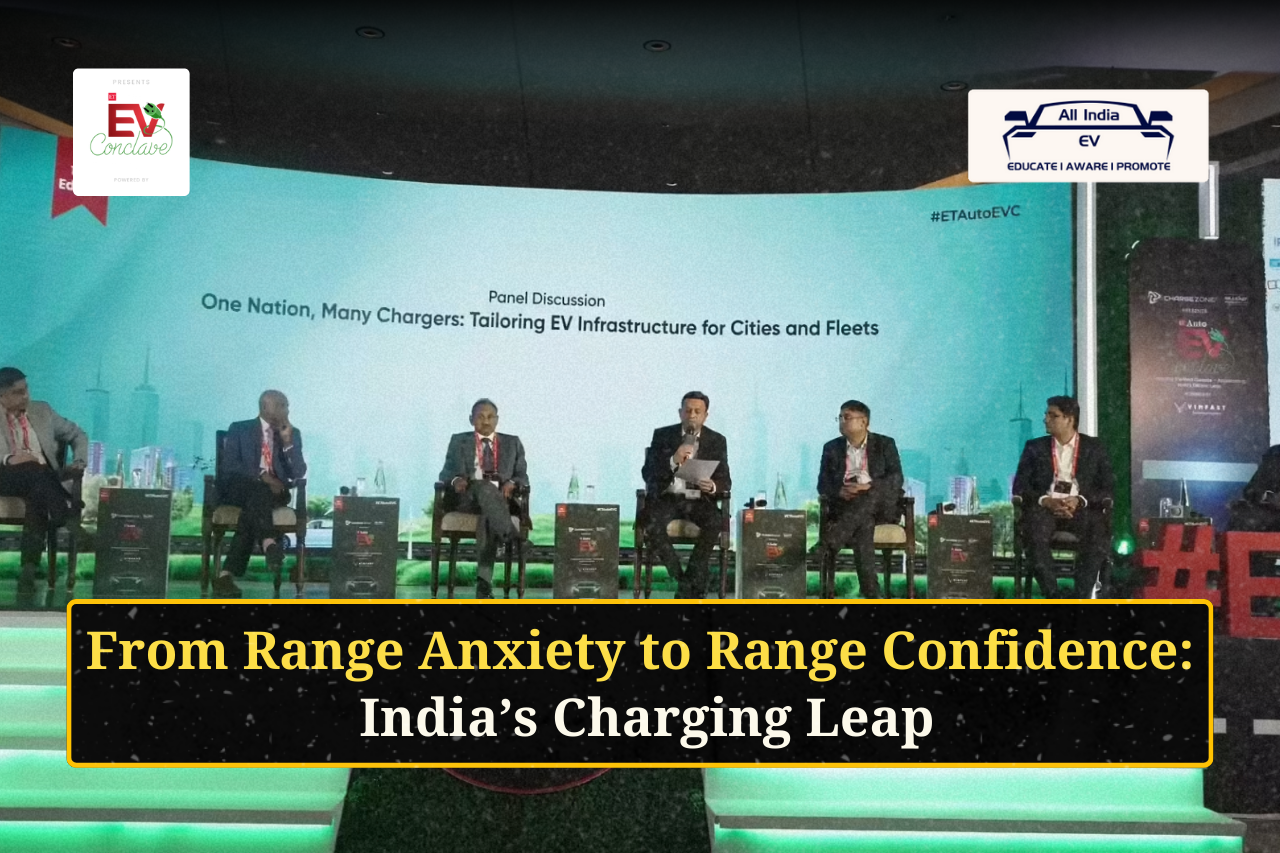
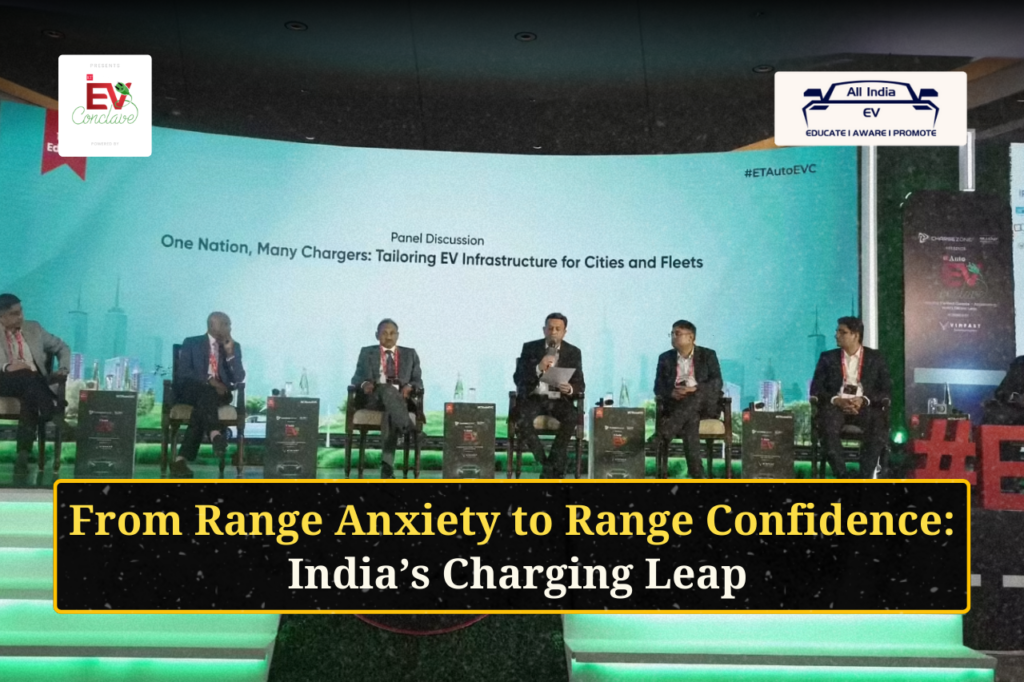
India’s public EV charging network has grown nearly eightfold in just two years, but industry leaders caution that the next phase of expansion must prioritise interoperability, user experience, demand generation and grid preparedness over rapid installation. Speaking at the session “One Nation, Many Chargers: Tailoring EV Infrastructure for Cities and Fleets” during the ETAuto EV Conclave 2025, experts emphasised that India now needs to shift from quantity to quality. The discussion was moderated by Ajay Agarwal, President, Spark Minda.
Fragmentation Still a Roadblock
Despite impressive growth, the sector continues to struggle with multiple CPO apps, inconsistent payment systems, scattered charging networks and frequent downtime of chargers. This fragmentation is now one of the biggest friction points for EV users across cities.
Speakers agreed that India must move from “rapid deployment to reliable, seamless charging experience” to support deeper EV penetration, especially as the country enters a decade of fast adoption across both personal and fleet segments.
Two-Wheeler Charging Leading the Way
From the two-wheeler perspective, Aravind Prasad, Head – Charging Infrastructure, Ather Energy, said India has emerged as a global benchmark in e-scooter and motorcycle charging. He noted that charging behaviour in this segment is unique.
“Range and charge anxiety are pre-purchase concerns. Once customers buy, they quickly learn their charging patterns,” he explained.
Fast charging for two-wheelers, he added, is primarily used for quick top-ups, not full charging cycles, making it critical to design infrastructure tailored for high-frequency, short-duration stops.
More EV News
Oil & Gas Players to Play a Critical Role
Oil and gas companies are positioning themselves as essential partners in the EV transition. Representing Jio-bp, COO Rubin Pather said energy conglomerates bring strong capital capacity, extensive fuel station networks and deep fleet relationships, making them well suited to support large-scale EV adoption.
“We shouldn’t be sceptical of oil and gas companies… India cannot transition overnight, but we cannot ignore our responsibility to change,” he said. Legacy fuel retailers, he added, are strategically placed to guide the migration from fossil fuels to electric mobility.
Demand Generation Holds the Key to Commercial Viability
From an economic standpoint, Rohan Rao, Partner, KPMG India, highlighted that the biggest challenge today is not policy but low utilisation rates. India may have a “reasonable installed base,” but chargers are significantly underused.
He noted that “If utilisation moves from 5–6% to even 15%, most CPOs will break even.” Rao said stronger commitment from mainstream automakers on EV volumes is essential to push demand and improve viability.
With most new EVs offering 300 km or more range, he added, range anxiety is no longer the main barrier.
Interoperability Gains Momentum
Interoperability was a recurring theme throughout the session. Ravindra Mohan, Director, ChargeZone, revealed that nine CPOs have already enabled roaming across 13,500+ charging points via a single app, marking a strong early step toward unified charging access nationwide.
Grid Readiness and Smart Charging Rising in Importance
For emerging companies like EVamp, smart charging and energy management have become critical as clusters of high-power chargers increasingly strain local grids.
Experts noted that high-capacity charging for buses and trucks will scale only if chargers, depots and power distribution systems are synchronised and grid upgrades happen in parallel.
Next Two Years to Bring Innovation and Wider Expansion
Looking ahead, Anshuman Divyanshu, CEO–EV, Exicom, said India is poised for “a wave of new product innovations.”
Key enablers identified include:
- Peer-to-peer sharing of private chargers
- Better incentives for home and apartment charging
- Streamlined single-window clearances with DISCOMs and municipal bodies
These measures, he said, will be crucial in pushing the charging ecosystem beyond metros into Tier-2 and Tier-3 cities and national highways, ensuring India’s EV charging network becomes scalable, dependable, and future-ready.
Author’s Comment:
India’s EV charging ecosystem is entering a decisive phase where reliability, interoperability and grid readiness matter far more than rapid expansion.
As industry leaders highlight, the next wave of growth will depend on solving real user pain points, boosting charger utilisation and strengthening power infrastructure. If these priorities align, India could build one of the world’s most efficient, user-centric and future-ready EV charging networks.
Click here for more such EV Updates