

Automaker’s Electric Vehicle Strategy Faces Major Reassessment as Financial Pressures Mount
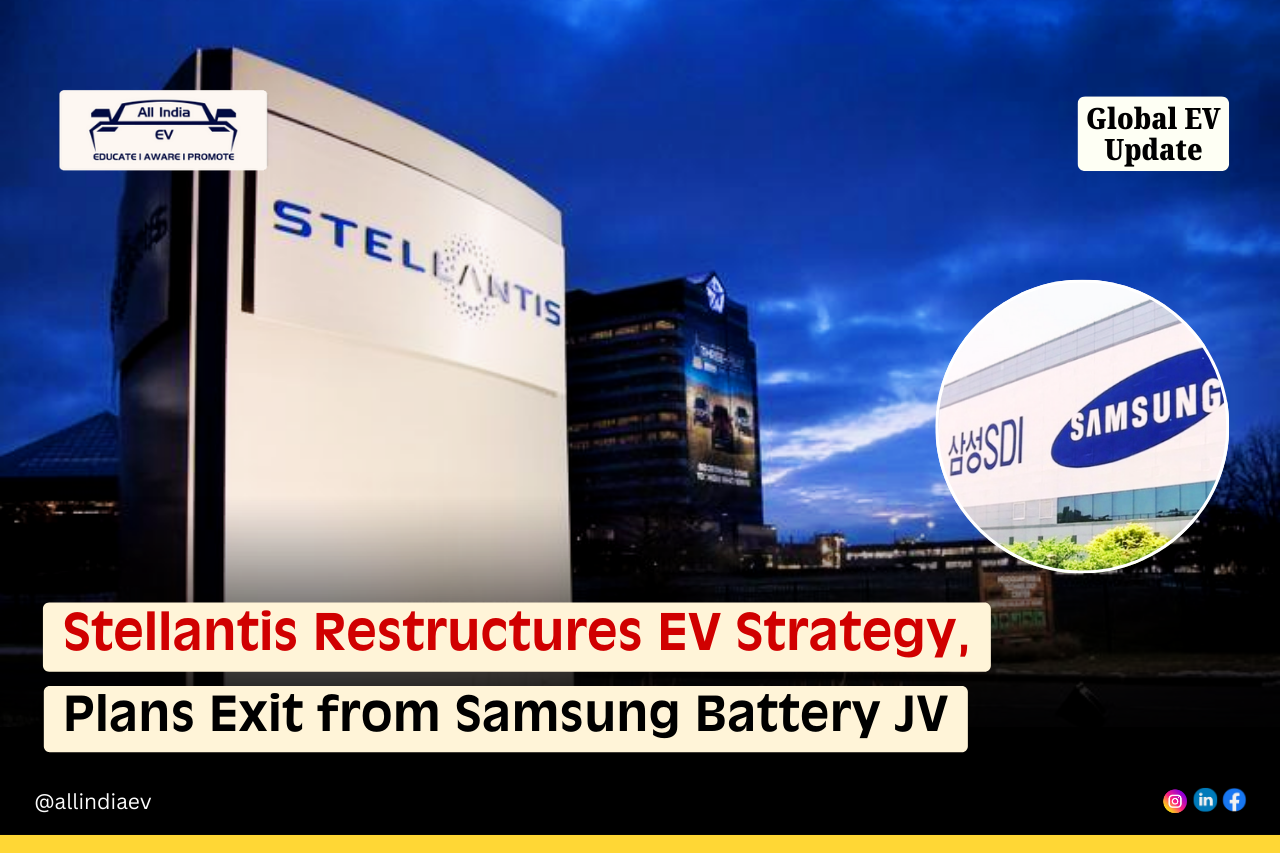
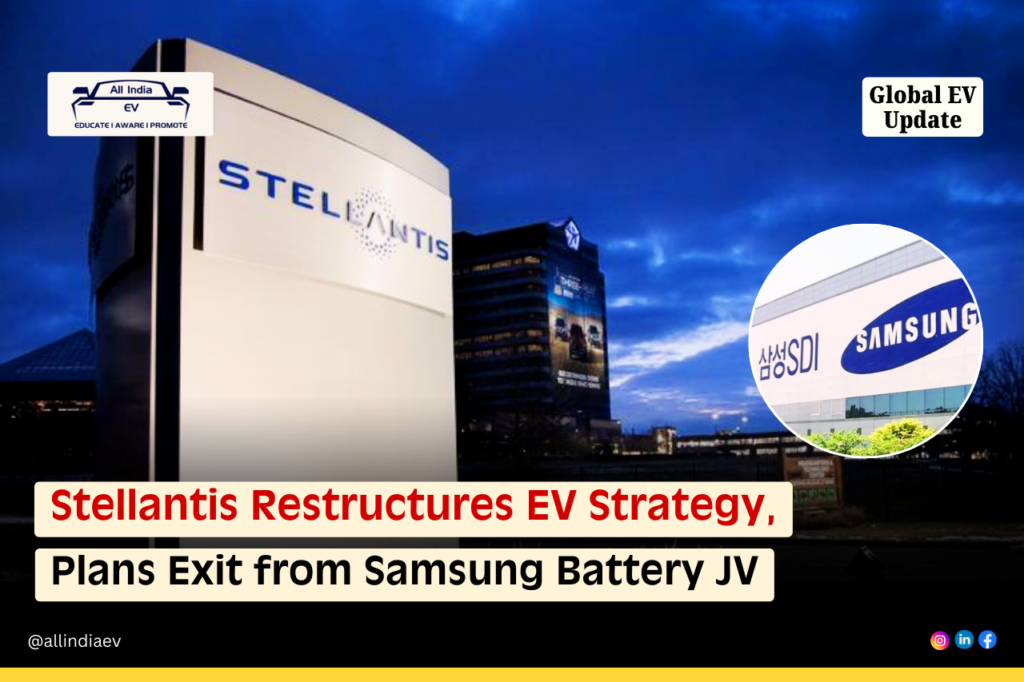
Stellantis NV, the multinational automaker behind brands such as Jeep, Ram, Chrysler and Fiat, is reportedly considering exiting its U.S. battery joint venture with South Korea’s Samsung SDI Co. as part of a broader retreat from costly electric-vehicle (EV) investments, according to reports citing people familiar with the discussions.
The potential move comes as the company grapples with mounting losses tied to its EV business and battery operations, prompting a strategic reassessment that could reshape its long-term electrification plans.
Pressure From Mounting Losses and Strategic Reset
Stellantis has suffered significant financial setbacks from its EV strategy, including more than €22 billion ($26 billion) in write-downs related to electric-vehicle and battery investments announced earlier this month. The substantial charges reflect challenges in meeting earlier forecasts for EV demand, particularly in North America, where consumers have been slower to adopt electric models than anticipated.
As a result of these losses, Stellantis’ shares have been under pressure and the company is reportedly seeking ways to reduce exposure to high-cost EV and battery initiatives. Exiting the U.S. battery partnership with Samsung SDI is seen as one of several options under consideration, though no definitive decision has been made.
The StarPlus Energy Venture Under Review
Stellantis and Samsung SDI formed a 50-50 joint venture called StarPlus Energy in 2022 to build advanced battery cell plants in Kokomo, Indiana, in support of growing demand for EVs in North America. However, weak market conditions and persistent financial pressure have prompted Stellantis to reassess its commitment to the venture.
The discussions with Samsung are ongoing, with Stellantis emphasizing that collaborative talks regarding the future of the joint venture continue. Exiting the partnership, if pursued, could prove both costly and complex, potentially involving sales of its stake to a third party or other restructuring arrangements.
More EV News
EV Market Headwinds Weighing on Decisions
The U.S. EV market has softened considerably in recent months. Experts have pointed to the expiration of federal subsidies such as the $7,500 tax credit that previously boosted EV sales and changes in regulatory landscapes under the current U.S. administration as factors contributing to reduced demand for electric vehicles. This broader downturn in EV momentum has influenced Stellantis’ recalibration of its electrification strategy.
Analysts say that legacy automakers, including Stellantis, are facing a tough balancing act: investing in future EV growth while managing near-term profitability amid uncertain consumer demand. Rivals such as Ford Motor Co. and General Motors Co. have also taken substantial write-downs and scaled back certain EV initiatives in response to similar market pressures.
Leadership and Strategic Shifts at Stellantis
Stellantis’ current chief executive, Antonio Filosa, took the helm in mid-2025 and has steered the company toward a more pragmatic approach to EV investments. This includes scrapping or delaying several electric model launches such as the planned all-electric Ram 1500 pickup and shifting some focus back to more profitable conventional vehicles.
The reassessment of the battery joint venture with Samsung SDI reflects a broader shift in corporate strategy aimed at preserving cash and focusing on areas with more predictable returns. Filosa has emphasized the importance of aligning production with market realities rather than solely pursuing electrification targets that may no longer match consumer demand.
Implications for Future of EV Strategy
Should Stellantis move forward with an exit from the StarPlus Energy venture, the decision would mark a significant pivot in its approach to EV infrastructure and partnerships. The outcome of ongoing discussions with Samsung SDI will be closely watched by industry observers, investors and other stakeholders as Stellantis seeks to stabilize its financial performance while charting its future in an increasingly competitive global automotive industry.
In the meantime, Stellantis continues to navigate a challenging business environment where legacy automakers worldwide are recalibrating their paths toward electrification amidst changing market dynamics and regulatory frameworks.