

Delhi Introduces EV Scrappage Scheme with Financial Benefits, Expands Residential Charging Facilities to Cut Air Pollution and Establish the City as a Leading EV Hub
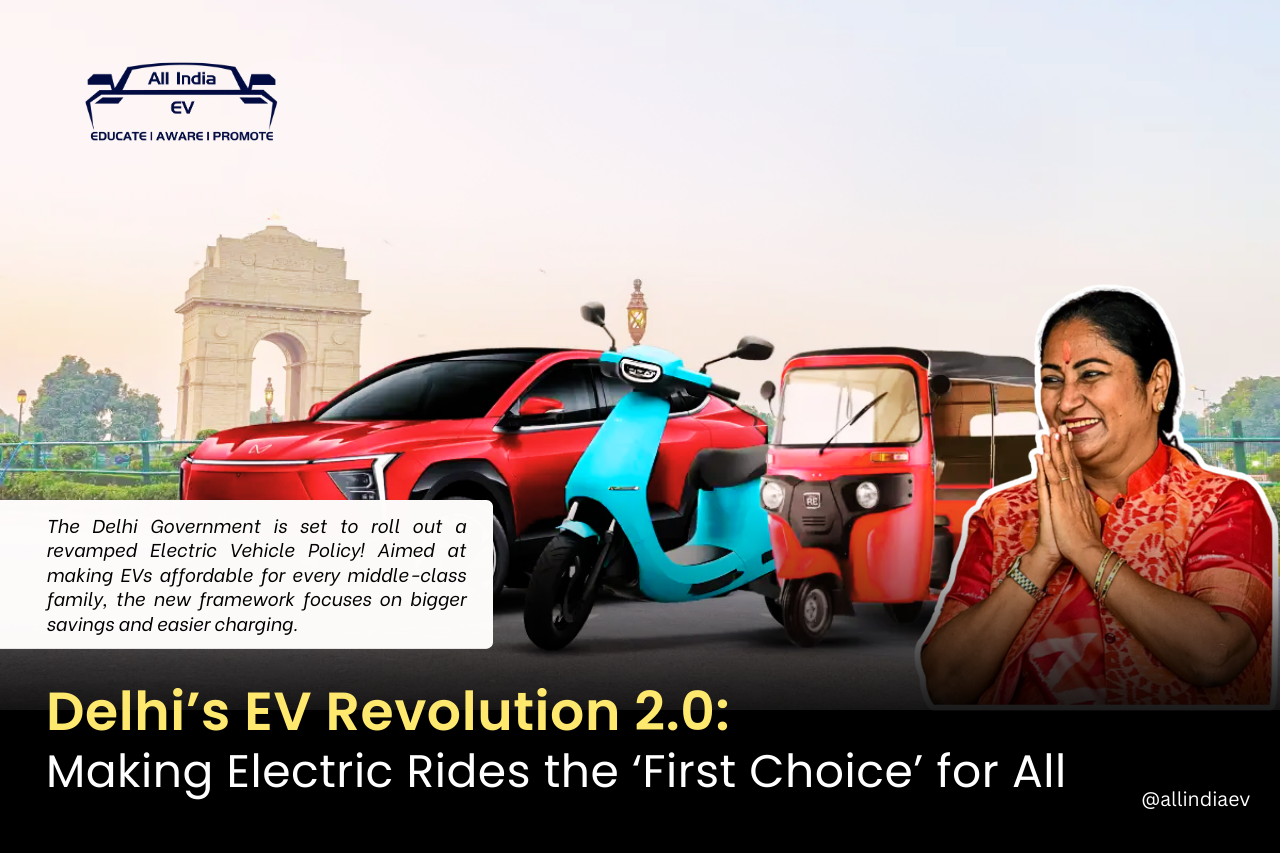
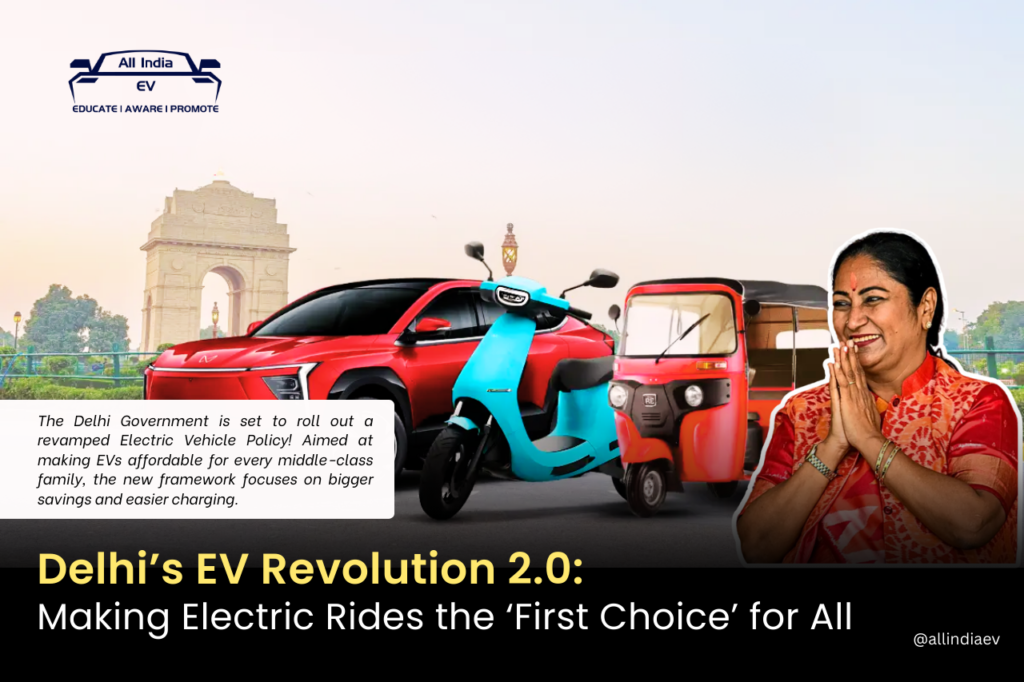
The Delhi government is set to roll out a new Electric Vehicle (EV) policy from the next financial year, aimed at promoting cleaner mobility, reducing air pollution, and making EVs more affordable for residents, Chief Minister Rekha Gupta announced on Saturday.
Focus on affordability: The policy intends to bridge the price gap between conventional petrol and diesel vehicles and EVs. “Our goal is to ensure that EVs are affordable for every middle-class family in Delhi and that charging them is as easy as charging a mobile phone,” Gupta said. While the final incentive structure is yet to be disclosed, the government has confirmed that subsidies will be offered to encourage EV adoption.
Vehicle scrappage incentives: The government will introduce a scrappage scheme targeting old and highly polluting vehicles. Citizens who scrap their petrol or diesel vehicles will receive additional financial benefits when purchasing a new EV, according to the CM’s office. The exact incentive amounts are still under consideration.
Expansion of charging infrastructure: Delhi plans to enhance EV charging facilities, including installations in residential colonies. The strategy includes a single-window system for approvals, network expansion, battery swapping stations, and scientific disposal of used batteries to minimize environmental impact and reduce charging time.
Environmental benefits: Gupta emphasized that the policy would play a key role in reducing air pollution, helping to lower PM2.5 and PM10 levels in the city. The government aims to integrate subsidies and charging infrastructure to position Delhi as the leading EV hub in India—and potentially globally.
More EV News
Policy background: Delhi’s first EV policy, notified in 2020, expired in August 2023 and has been extended periodically. Under the previous framework, electric two-wheelers received ₹5,000 per kWh (capped at ₹30,000), three-wheelers got a flat ₹30,000, and electric cars were eligible for subsidies of up to ₹1.5 lakh (limited to the first 1,000 vehicles). EVs were also exempt from road tax and registration fees.
Policy finalization: A high-level committee, chaired by Power Minister Ashish Sood, has been reviewing the policy for four months. The panel is finalizing subsidy structures and incorporating expert recommendations to ensure the new EV policy is robust and impactful.
Comment by Author:
The new EV policy signals a strong commitment by the Delhi government to accelerate the adoption of electric vehicles while tackling urban air pollution. By combining subsidies, vehicle scrappage incentives, and expanded charging infrastructure, the policy aims to make EVs more accessible and convenient for residents. If implemented effectively, Delhi could emerge as a model EV-friendly city, setting benchmarks for other states in India.