


Used EV batteries have untapped power, but manufacturers limit their reuse and potential.
As the number of electric vehicles (EVs) continues to rise globally, the industry faces an emerging challenge: What happens to the giant batteries that power these vehicles once they reach the end of their useful life? While these batteries still have considerable potential, the lack of access to crucial performance data is hindering efforts to repurpose them effectively.
The Growing Challenge of Battery Disposal
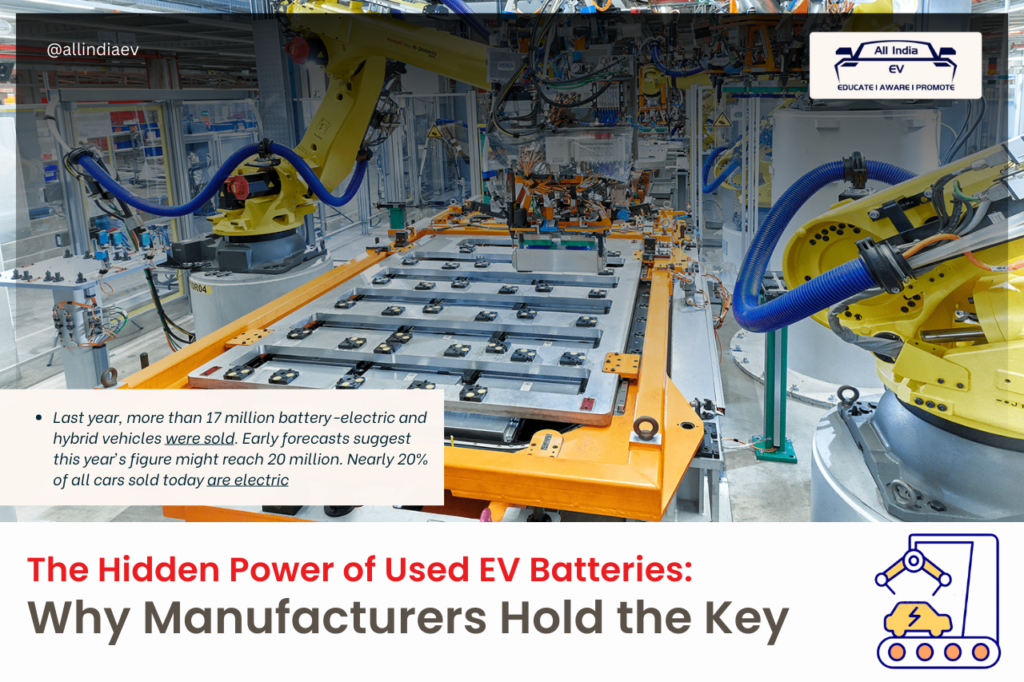
Last year, over 17 million battery-electric and hybrid vehicles were sold globally, with estimates suggesting this number could reach 20 million in 2025. As EV adoption accelerates, more and more vehicles will soon need to dispose of or recycle their batteries. The typical lifespan of an EV battery is around 12 to 15 years, though some can last up to 40% longer in real-world use. By 2030, 30,000 tonnes of used EV batteries are expected to require disposal or recycling in Australia alone, a figure projected to rise to 1.6 million tonnes by 2050.
However, these batteries still have plenty of usable capacity left, and with the right approach, they could serve as valuable energy sources for smaller vehicles, homes, or even entire towns when repurposed. But for this potential to be unlocked, critical data is needed to assess battery health, remaining capacity, and history, including exposure to accidents or extreme conditions.
The Data Dilemma: Why Access is Crucial
Unfortunately, the roadblock to repurposing these batteries lies in the difficulty of obtaining accurate data on their performance, degradation, and overall health. Without this data, repurposing efforts are like flying blind, and recycling companies face potential safety risks, such as battery fires, especially if the battery has degraded or been damaged.
At the moment, vehicle manufacturers make it difficult to access this information, meaning that once a battery is removed from its original vehicle, its performance data is lost. This lack of transparency poses significant barriers to the economic viability of reusing EV batteries. Investors and companies are hesitant to engage in repurposing when the financial risks are uncertain.
Unlocking the Value: How EV Batteries Can Be Repurposed
EV batteries can be categorized based on their state of health:
More EV News

- High Health (80%+ capacity): These batteries are suitable for refurbishment and reuse in similar applications such as electric cars, mopeds, and golf carts.
- Medium Health (60-80%): These batteries can be repurposed for stationary energy storage or uninterruptible power supplies (UPS).
- Low Health (below 60%): These batteries need to be recycled, with valuable minerals such as nickel, cobalt, lithium, and manganese extracted for use in new batteries.
While there have been advancements in estimating battery health without access to data, access to more precise information would greatly improve the accuracy of these assessments, making it easier to repurpose batteries and recycle their components.
What’s at Stake: Environmental and Economic Risks
The environmental impact of improperly discarded or stockpiled batteries is significant, with potential fire hazards, soil contamination, and water pollution. Furthermore, the supply chain for critical minerals used in EV batteries is complex, and extracting these minerals often involves significant carbon emissions and pollution. Ideally, used EV batteries would be repurposed to extend their useful life before being sent for recycling, helping to reduce demand for new batteries and mitigate environmental impact.
However, without reliable data on battery health and remaining life, many used batteries are either discarded too early or recycled prematurely. This not only leads to unnecessary waste but also increases costs for the industry.
The Need for Policy Change
Currently, battery manufacturers are reluctant to share performance data due to concerns over intellectual property and legal issues. However, to fully unlock the potential of used EV batteries, data transparency must improve. This shift is already happening in some regions—California has passed laws requiring manufacturers to share battery health data with recyclers, and the European Union will mandate a digital passport for all EV batteries starting in 2027. This passport will include vital information such as battery health, chemistry, and history of any damage.
India should follow suit and adopt similar regulations to ensure that the full potential of used EV batteries is realized, both for environmental and economic benefits.
Conclusion: A Sustainable Future for EV Batteries
India’s growing EV market is poised to benefit from the untapped potential of used EV batteries. However, to maximize this opportunity, manufacturers must open up access to critical data on battery health, and governments must introduce policies to ensure data transparency and recycling efficiency.By adopting these changes, India can not only reduce the environmental impact of used EV batteries but also create a sustainable, circular economy for electric mobility—one where batteries don’t just power vehicles, but contribute to a greener, more efficient energy system for all.