

The Quick Update
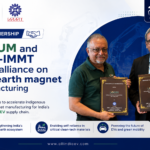
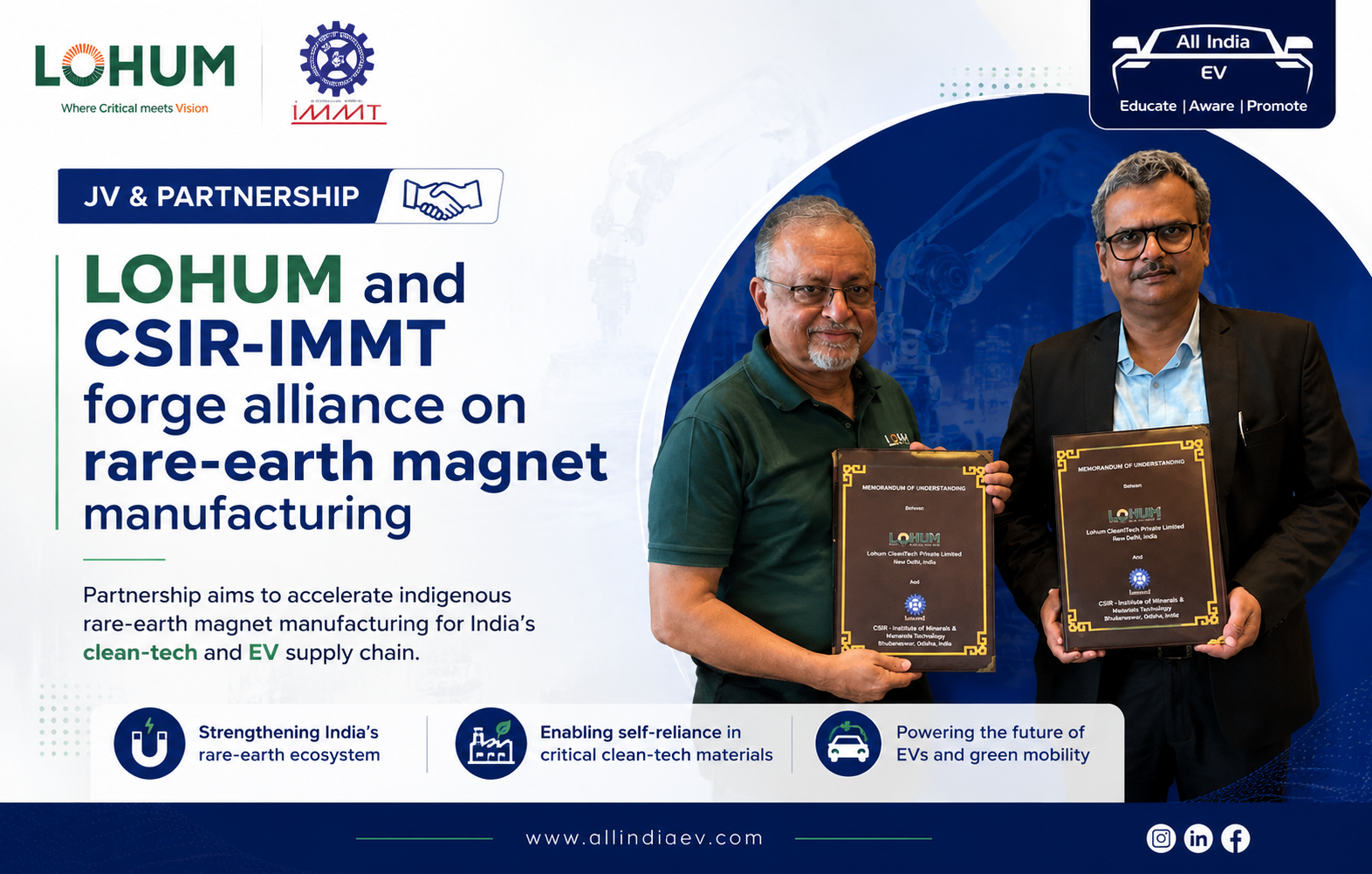
- What Happened: LOHUM has signed a Memorandum of Understanding (MoU) with the Council of Scientific and Industrial Research–Institute of Minerals and Materials Technology (CSIR-IMMT) to jointly develop indigenous technologies for manufacturing critical rare-earth materials used in high-performance permanent magnets.
- The Key Number: NdPr (Neodymium-Praseodymium) – the critical rare-earth material that will be the focus of the technology development programme.
- Why It Matters: High-performance permanent magnets are essential for electric vehicle motors, wind turbines and advanced industrial applications. Building domestic capabilities could reduce India’s dependence on imported rare-earth technologies and strengthen the country’s critical minerals ecosystem.
The Core News
The Facts
- LOHUM CSIR-IMMT rare-earth magnet manufacturing technology aims to develop indigenous processes for producing metallised neodymium-praseodymium (NdPr), a key input for high-performance permanent magnets.
- The partnership combines CSIR-IMMT’s expertise in minerals and materials technology with LOHUM’s industrial capabilities in critical minerals, battery materials and resource recovery.
- The collaboration will focus on validating technologies that can be scaled from laboratory research to commercial manufacturing.
The Context
- Rare-earth permanent magnets are widely used in electric vehicle traction motors, renewable energy systems and advanced manufacturing equipment.
- India is working to strengthen domestic capabilities across the critical minerals value chain as demand from EVs, clean energy and strategic industries continues to rise.
- The proposed metallisation process is designed as a safer alternative to the conventional molten salt electrolysis method used for metal production.
The Significance
- Indigenous rare-earth processing technology could improve supply chain resilience for India’s EV and clean-energy sectors.
- Commercialising NdPr production would support the development of a domestic permanent magnet manufacturing ecosystem.
- The collaboration aligns with India’s broader efforts to reduce import dependence for strategic materials and advanced manufacturing technologies.
Breaking Down the Update
- Technology Focus: Development of metallised neodymium-praseodymium (NdPr) production technology.
- Partners: LOHUM and CSIR-IMMT will jointly undertake research, validation and commercialisation activities.
- Manufacturing Goal: Establish indigenous capabilities for high-performance rare-earth permanent magnets.
- Strategic Importance: Permanent magnets are critical components in EV motors, wind turbines and industrial equipment.
- Process Innovation: The technology is intended to provide a safer alternative to conventional molten salt electrolysis.
- National Objective: Support India’s critical minerals mission and strengthen domestic manufacturing capabilities
How LOHUM CSIR-IMMT rare-earth magnet manufacturing technology Will Help the Indian EV Market
India’s electric mobility ambitions depend not only on vehicle assembly but also on securing a reliable supply of critical materials used in EV components. The LOHUM CSIR-IMMT rare-earth magnet manufacturing technology initiative addresses an important gap in the domestic value chain by focusing on neodymium-praseodymium (NdPr), a key material required for manufacturing high-performance permanent magnets used in electric motors.
Developing indigenous metallisation technology could reduce India’s dependence on imported rare-earth materials, improving supply chain resilience for EV manufacturers. A stronger domestic ecosystem may also help stabilise raw material availability, shorten procurement timelines and support future localisation efforts.
The collaboration also strengthens the link between scientific research and industrial deployment. By combining CSIR-IMMT’s research capabilities with LOHUM’s expertise in recycling, refining and advanced materials, the project aims to accelerate the commercialisation of technologies that support India’s clean-energy transition.
As EV production expands across passenger vehicles, commercial vehicles and two-wheelers, domestic access to critical materials will become increasingly important. Progress in rare-earth processing and permanent magnet manufacturing could enhance India’s competitiveness while supporting long-term growth in electric mobility and advanced manufacturing.
Way Forward …
The LOHUM CSIR-IMMT rare-earth magnet manufacturing technology partnership marks a strategic step towards strengthening India’s critical minerals ecosystem. The next milestone will be the successful validation and commercialisation of indigenous NdPr production technologies, followed by their integration into large-scale permanent magnet manufacturing. If executed successfully, the collaboration could support India’s goal of building a more self-reliant and globally competitive EV supply chain.
Read More: Catch up on All India EV’s related coverage on India’s evolving commercial EV subsidies and battery swapping policies at All India EV