

India’s EV Adoption Soars from 0.71% to 7.5% in 5 Years | Govt Incentives, Better Charging & Rising Awareness Drive Mainstream Electric Vehicle Growth
- EV Charging Across India: Now More Convenient Than Ever
- Government Support Fueling EV Growth
- 1. PLI Scheme for Automobile & Auto Components – ₹25,938 crore
- 2. PLI Scheme for Advanced Chemistry Cell (ACC) Batteries – ₹18,100 crore
- 3. PM E-DRIVE Scheme – ₹10,900 crore
- What This Means for Current and Future EV Buyers
- India’s EV Growth Story: A Six-Year Transformation
- India’s Road Ahead: A Cleaner, Greener Automotive Future
India’s electric mobility ecosystem is accelerating at an unprecedented pace, and now EV owners have another reason to celebrate. As electric vehicle penetration grows consistently across the country, the government has announced new positive developments that will further simplify EV charging nationwide. With more people adopting electric vehicles and actively using public charging networks, the latest data highlights the steady rise of India’s EV infrastructure.
According to the Vahan Portal, EV penetration has surged from only 0.71% in FY 2019–20 to 7.50% in FY 2024–25, reflecting a massive shift in consumer preference. This rise indicates that more Indians are choosing EVs not just for fuel savings, but also for smoother performance, reduced running costs and lower environmental impact.
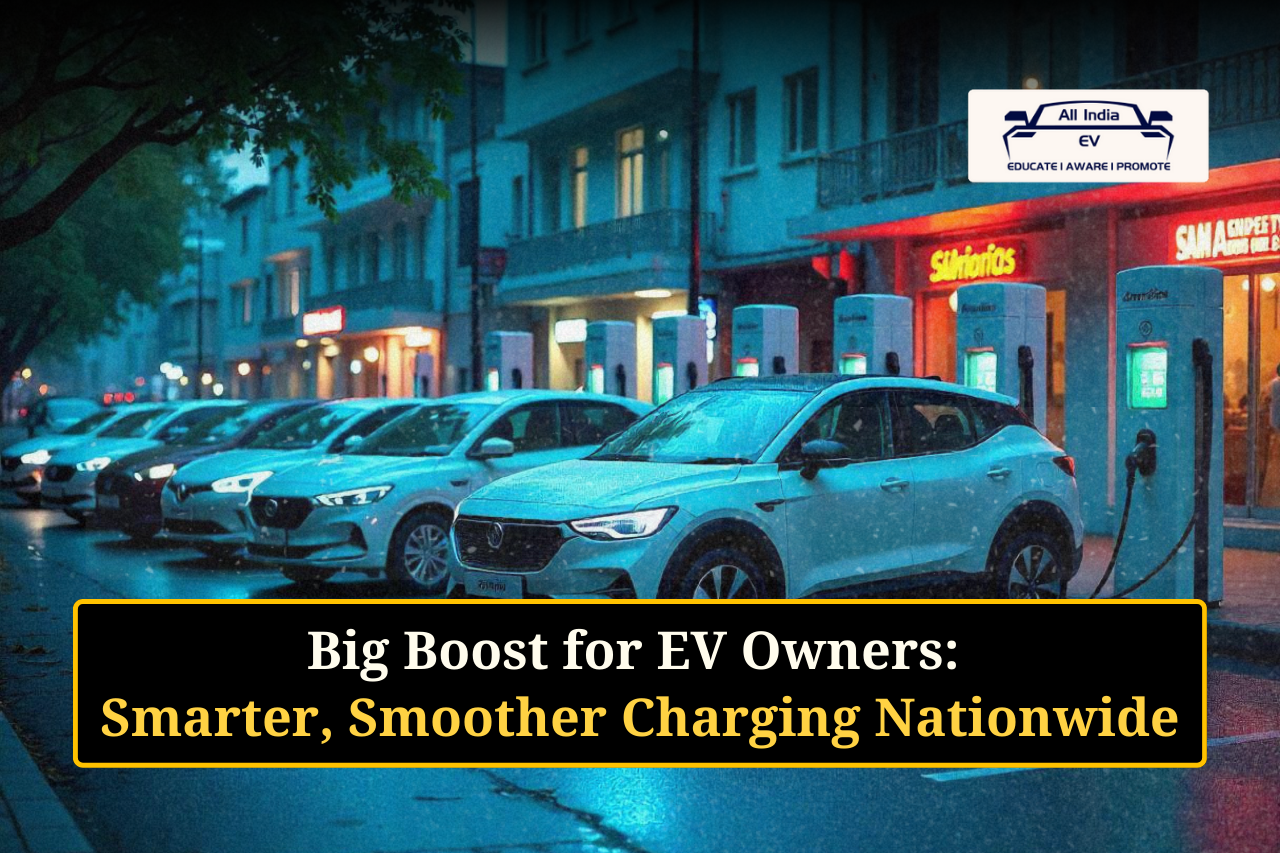
EV Charging Across India: Now More Convenient Than Ever
For years, many potential EV buyers hesitated due to concerns such as:
“Where will I charge my EV?”,
“Are charging stations available across India?”,
“Can I travel long distances comfortably?”
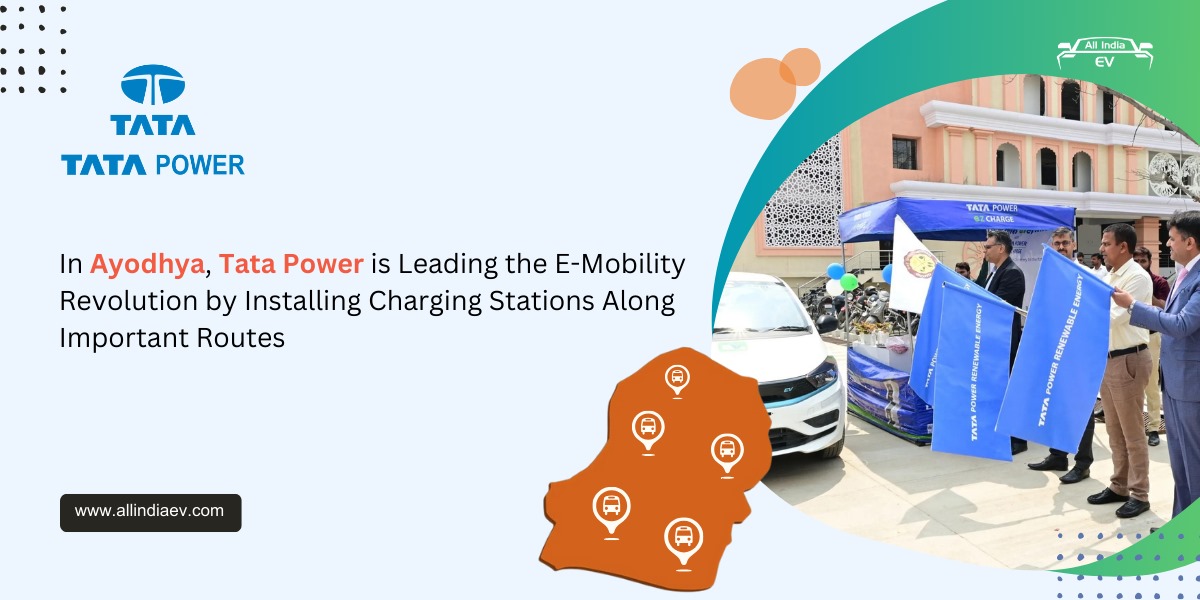
Today, these concerns are gradually fading. Thanks to a strong push from the government and private sector, India’s charging landscape is expanding faster than ever. Cities, highways and even remote regions are witnessing new EV charging stations, including fast chargers, being installed frequently.
Fuel pumps, metro stations, shopping malls, hotels, office complexes and public parking areas are now integrating EV chargers. Many companies are launching high-speed charging hubs capable of powering up vehicles in minutes, making long-distance journeys more reliable.
Government Support Fueling EV Growth
India’s ambitious EV targets are backed by major policy initiatives and incentive programs designed to boost manufacturing, strengthen infrastructure and encourage adoption.
More EV News
1. PLI Scheme for Automobile & Auto Components – ₹25,938 crore
Launched in September 2021, this scheme aims to attract advanced EV technology and manufacturing to India.
The mandate: at least 50% of components must be locally produced, pushing India toward self-reliance and lowering manufacturing costs in the long term.
2. PLI Scheme for Advanced Chemistry Cell (ACC) Batteries – ₹18,100 crore
Approved in May 2021, this transformative scheme targets large-scale battery production in India.
Its goal is to build 50 GWh of domestic ACC manufacturing capacity, which will make EV batteries more affordable and accessible to buyers.
3. PM E-DRIVE Scheme – ₹10,900 crore
Launched in 2024 and active until March 2028, this scheme supports multiple EV categories:
- Electric two-wheelers
- Electric three-wheelers
- Electric buses
- Electric trucks
- Electric ambulances
The scheme also enhances India’s charging infrastructure and upgrades testing agencies to international standards. Additionally, it promotes local manufacturing of EV components, helping India reduce reliance on imports and strengthen domestic capability.
What This Means for Current and Future EV Buyers
The widening EV infrastructure and strong policy push translate into clear benefits for consumers:
- Lower range anxiety due to dense charging networks
- Cheaper EV prices as local manufacturing cuts battery and component costs
- Faster charging technology becoming widely available
- More EV model options across two-wheelers, cars, three-wheelers, buses and commercial vehicles
- Improved safety standards due to better testing and regulations
As India continues to invest in EV innovation and clean mobility programs, the cost of ownership is expected to decline further, making EVs even more attractive for mainstream buyers.
India’s EV Growth Story: A Six-Year Transformation
India’s EV market has undergone a dramatic expansion over the past six financial years. Here’s a quick overview of the growth trajectory:
FY 2019–20:
- EV penetration: 0.71%
- EV registrations: 1.74 lakh
- ICE vehicle registrations: 244.20 lakh
The movement toward clean mobility had just begun.
FY 2020–21:
- EV penetration: 0.82%
- EV registrations: 1.43 lakh
Despite the pandemic, interest in EVs continued to grow steadily.
FY 2021–22:
- EV penetration: 2.49%
- EV registrations: 4.59 lakh
A major jump driven mainly by electric two-wheelers.
FY 2022–23:
- EV penetration: 5.30%
- EV registrations: 11.83 lakh
Growing awareness, reduced running costs and better model availability fueled adoption.
FY 2023–24:
- EV penetration: 6.82%
- EV registrations: 16.81 lakh
Massive expansion of charging stations strengthened consumer confidence.
FY 2024–25:
- EV penetration: 7.50%
- EV registrations: 19.68 lakh
India recorded its highest-ever EV adoption rate. EVs are now emerging as a mainstream preference rather than a niche choice.
India’s Road Ahead: A Cleaner, Greener Automotive Future
With rising consumer demand, strong government backing and rapid infrastructure expansion, India is positioning itself as one of the world’s fastest-growing EV markets. The current pace signals that EVs may soon become as common as traditional petrol and diesel vehicles on Indian roads.
As the nation moves confidently toward sustainable mobility, the future of electric transportation looks bright and promising.
Author’s comment:
India’s EV revolution is no longer a distant vision—it’s happening now, and at an impressive pace. With stronger policy support, rapid infrastructure growth and increasing consumer confidence, the country is steadily moving toward a cleaner mobility future. As charging becomes more accessible and EV ownership more affordable, the shift to electric is expected to accelerate even faster in the coming years. The road ahead looks promising, and India is clearly gearing up to lead the transition to sustainable transportation.