

Executives Advocate Phased EV Rollout: Starting with High-Use Urban Charging Clusters and Expanding to Tier-2 and Tier-3 Cities for a Stable Mass-Market Transition
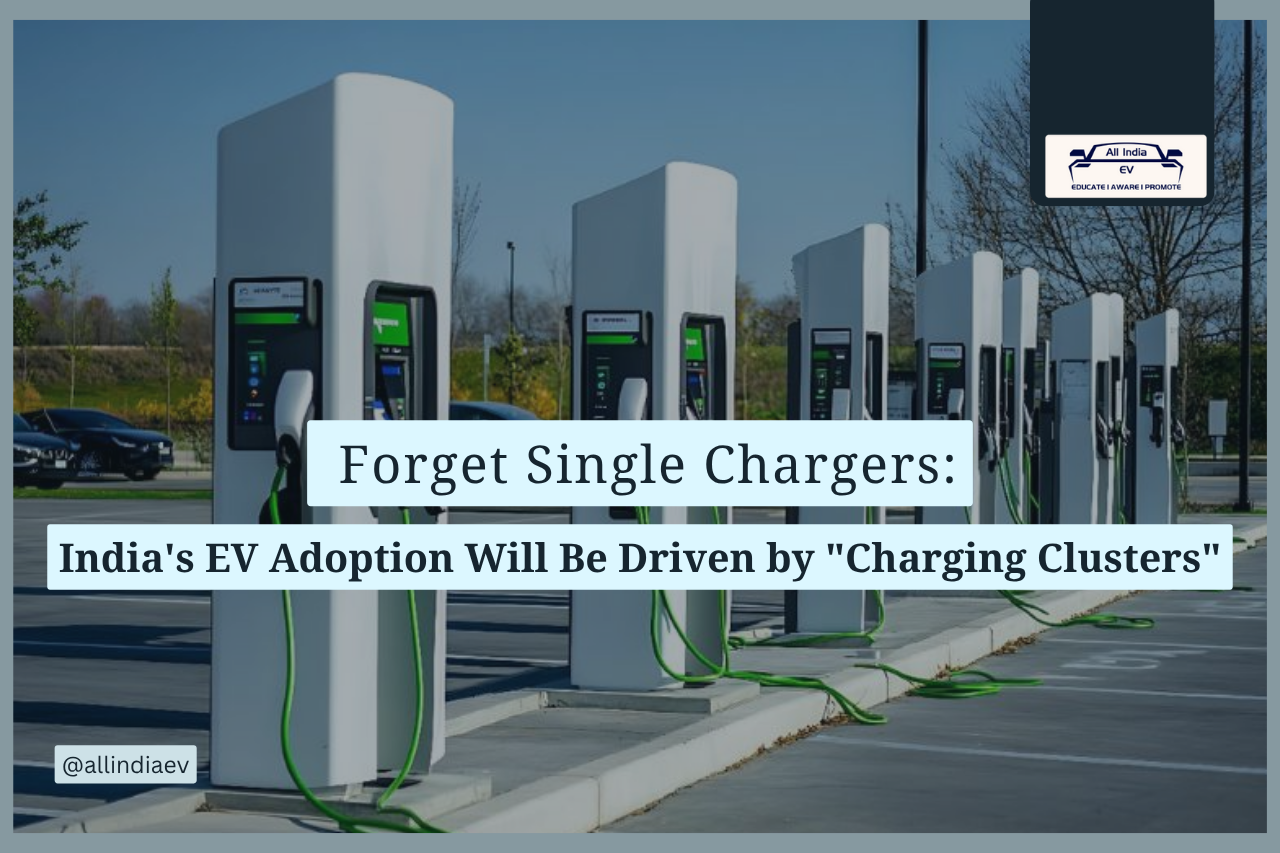
As India’s electric vehicle (EV) ecosystem continues to expand, industry leaders believe that the next phase of growth will hinge on the efficiency and concentration of charging infrastructure. Rather than simply increasing the number of charging stations, experts suggest that cluster-based installations in high-demand zones could drive higher utilisation, better economics, and greater consumer confidence.
According to industry executives, the low utilisation rates at many existing charging stations are slowing returns on investment, which in turn discourages private players from building new capacity. The consensus is that charging networks should first target dense urban centres, commercial districts, and high-traffic corridors before expanding into highways and smaller towns.
Speaking at an industry event, Rahul Bharti, Senior Executive Director (Corporate Affairs) at Maruti Suzuki India, emphasised that strategic placement of stations—with support from state governments in providing land within city zones—would be crucial for sustained growth.
“Capacity utilisation must improve in the initial phase for investors to sustain operations,” Bharti said.
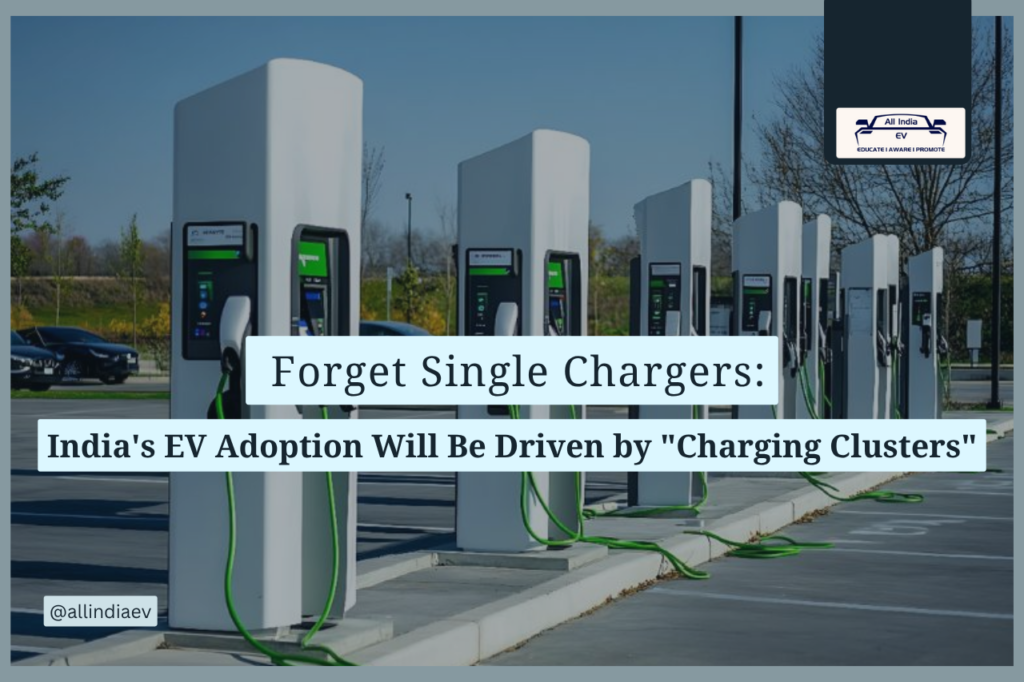
Executives also highlighted that scattered and standalone charging stations often create uncertainty among users. Instead, cluster-based networks, offering multiple fast chargers in one location, could significantly reduce waiting times and enhance reliability.
Shailesh Chandra, MD & CEO of Tata Motors Passenger Vehicles, noted that these clusters should ideally host “20–30 fast-charging guns” to provide visible assurance to potential EV buyers and strengthen confidence in the charging ecosystem.
Adding perspective, Hardeep Brar, President & CEO of BMW Group India, pointed out that India currently has one public charger for every 40 EVs, whereas developed markets have one for every 20 vehicles, highlighting the gap that needs to be bridged for mass adoption.
More EV News

Nitin Sheth, CEO of New Mobility at Reliance Industries, suggested a policy shift from purchase incentives to long-term infrastructure and common charging standards, calling them the real enablers of sustainable EV growth.
Industry leaders agreed that as EV usage expands beyond metros into tier-2 and tier-3 cities, a phased rollout starting with high-utilisation urban clusters will be key to creating a stable foundation for India’s mass-market EV transition.
Comment by Author
India’s EV journey is now entering a decisive phase where infrastructure efficiency matters more than expansion speed. The industry’s focus on charging clusters reflects a mature understanding of how to balance investor confidence, consumer trust, and grid optimisation.
Building dense, high-utilisation hubs instead of scattered stations could transform charging from a bottleneck into a growth driver. This strategic shift—supported by policy alignment, standardisation, and smart urban planning—can accelerate India’s transition toward an accessible, reliable, and self-sustaining EV ecosystem that supports both urban mobility and the nation’s clean energy ambitions.