

DTC to Set Up Commercial EV Charging Stations at Rohini, Kalkaji, Ghazipur, and Other Key Depots Across Delhi
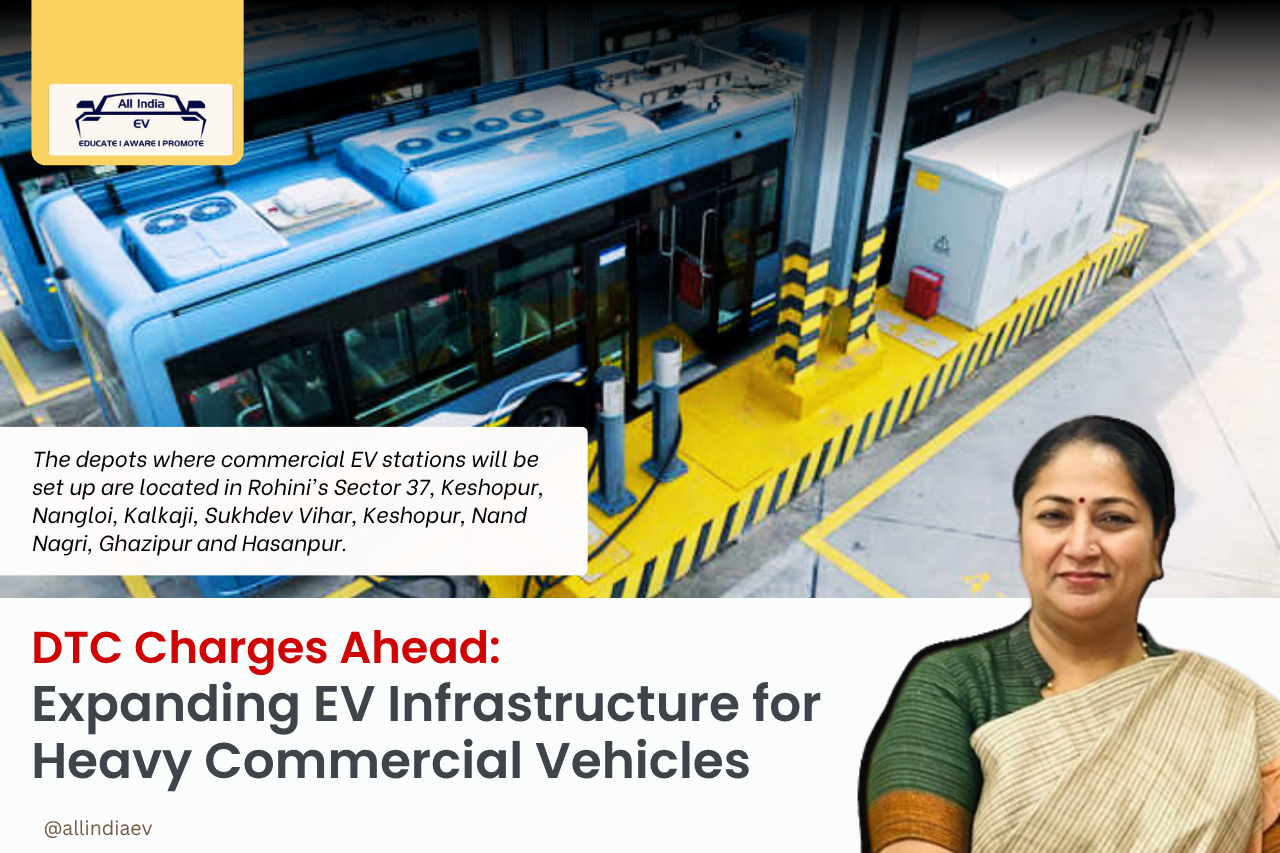
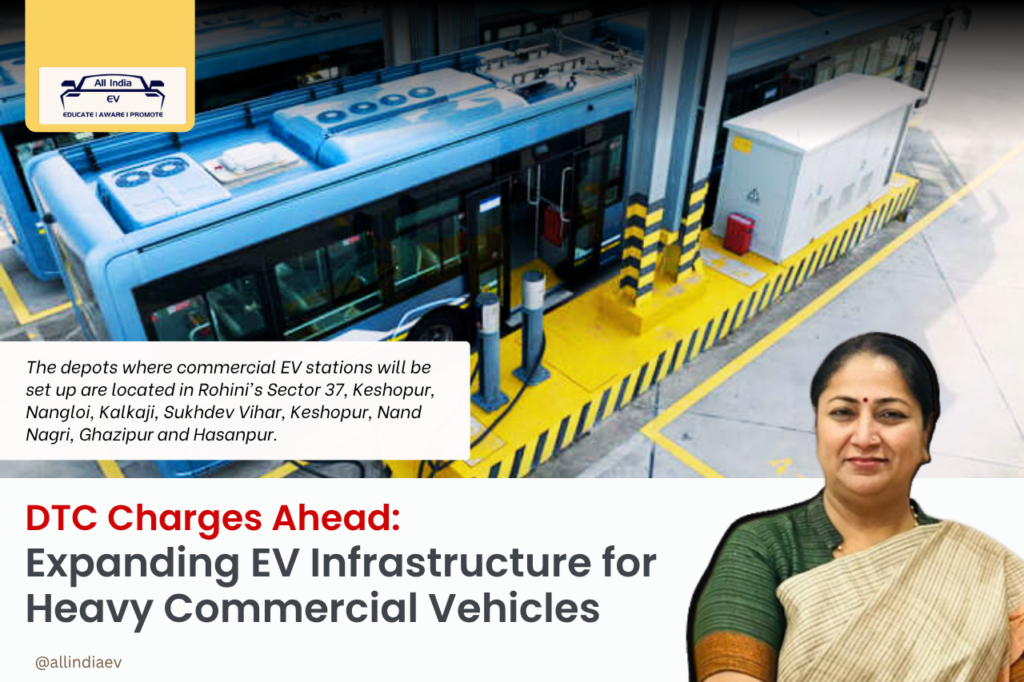
The Delhi Transport Corporation (DTC) is gearing up to strengthen its electric mobility ecosystem by setting up dedicated EV charging stations for heavy commercial vehicles across nine major depots in the national capital. The initiative is part of the Delhi government’s broader plan to generate additional revenue while accelerating the shift toward an all-electric public transport fleet within the next 18 months.
Nine DTC Depots to Get Commercial EV Stations
According to officials, charging facilities will be developed at Rohini Sector 37, Keshopur, Nangloi, Kalkaji, Sukhdev Vihar, Nand Nagri, Ghazipur, and Hasanpur depots.
“The preliminary process to set up the charging stations has started. Initially, nine depots will be covered and gradually expanded across all available spaces,” an official confirmed.
This marks the first phase of a large-scale project to make DTC depots future-ready for both electric buses and heavy commercial vehicles.
Infrastructure Investment of Over ₹31 Crore
The estimated project cost exceeds ₹31 crore, covering the installation of 1,600 KVA compact substations and 240 KW high-capacity chargers. These setups will be capable of powering hundreds of e-buses and freight vehicles, ensuring faster turnaround times for Delhi’s growing EV fleet.
Officials said tenders have been floated, and the civil and electrical work is expected to begin next year after contract awards.
More EV News
Boosting Delhi’s EV Transition
In September, Chief Minister Rekha Gupta inaugurated six new switching substations to strengthen DTC’s charging network. With plans to add 8,000 e-buses by 2026, expanding charging infrastructure has become a top priority.
Currently, Delhi operates 3,400 e-buses, with the number expected to reach 6,000 in the coming months, positioning the city as a national leader in electric public transport adoption.
Comment by Author:
Delhi’s move to expand EV charging infrastructure for heavy commercial vehicles signals a decisive push toward building a robust, future-ready transport network.
By investing over ₹31 crore in high-capacity chargers and substations across key DTC depots, the capital is laying the groundwork for seamless fleet electrification and improved operational efficiency.
This initiative not only supports Delhi’s ambitious plan to achieve an all-electric public transport system but also strengthens its position as a frontrunner in India’s clean mobility transition — setting a benchmark for other states to follow.