

India’s Evolving EV Policies Aligned with Trade Agreements to Boost Adoption and Strengthen Position in Global Clean Mobility Chain
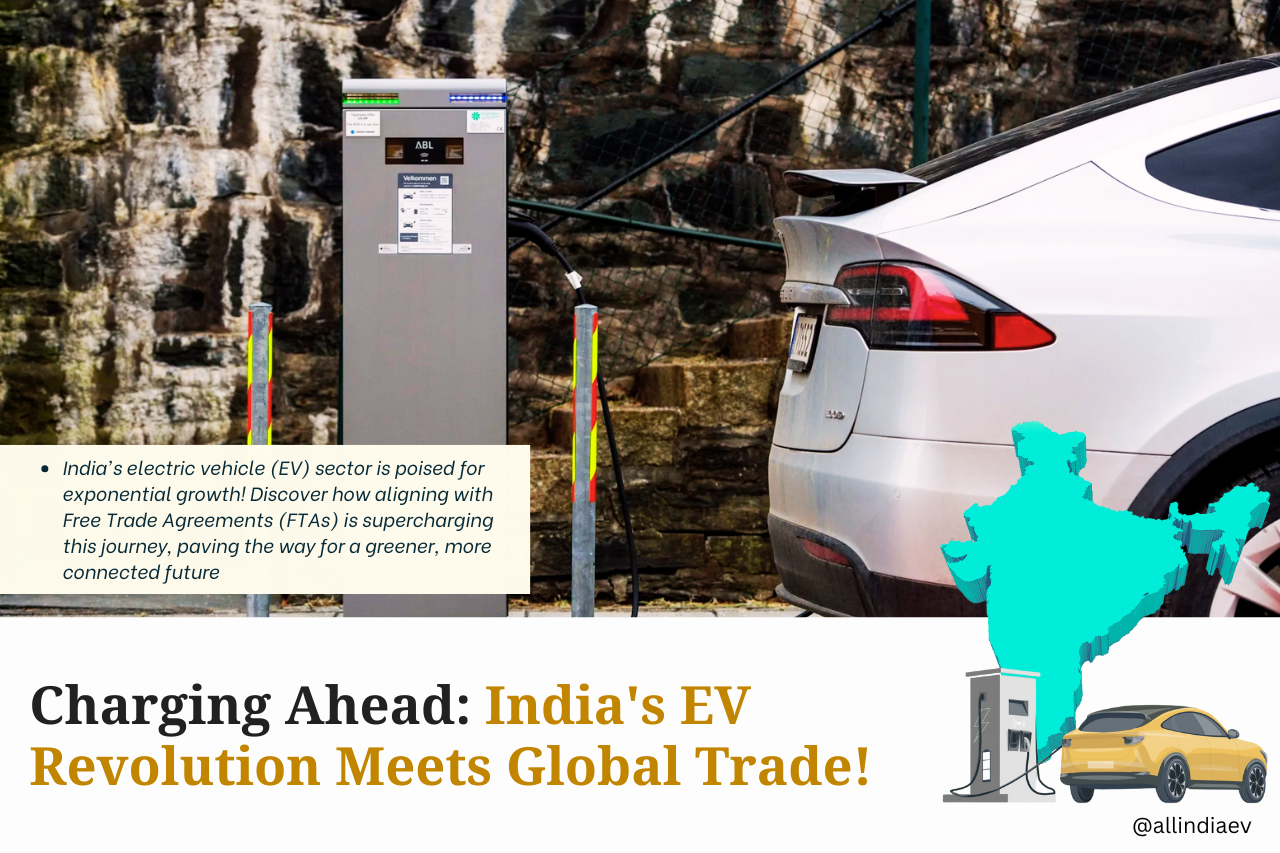
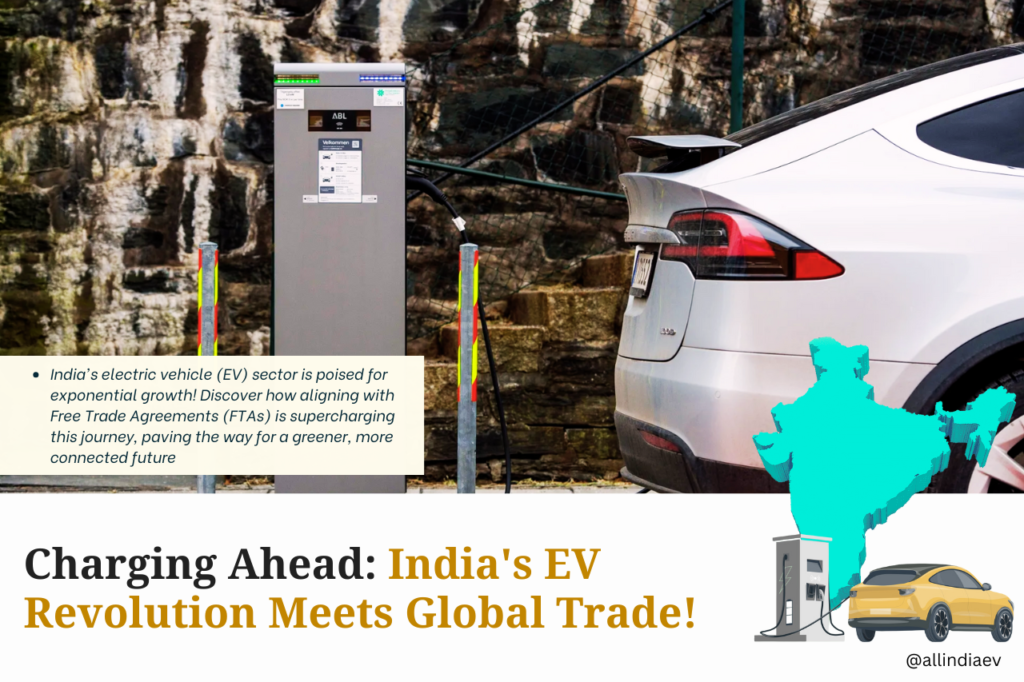
India’s electric vehicle (EV) sector is entering a transformative phase, as the government strategically aligns its clean mobility ambitions with ongoing Free Trade Agreement (FTA) negotiations. This shift is shaping a future where climate policy, global trade, and domestic manufacturing goals intersect to propel India toward its net-zero targets by 2070.
✅ From Domestic Policy to Global Positioning
Over the past few years, India’s EV ecosystem has grown significantly through a mix of central schemes and state-level initiatives. Landmark policies such as the FAME scheme and PLI (Production Linked Incentive) programs for advanced chemistry cells and auto components have laid the foundation for both demand and supply-side growth.
In March 2024, the government launched the Electric Mobility Promotion Scheme (EMPS), now absorbed into the broader PM E-Drive initiative, extending support for EV adoption beyond FAME-II. The focus has also expanded toward infrastructure development, including public EV charging networks and domestic component manufacturing.
To complement these efforts, the Scheme to Promote Manufacturing of Electric Passenger Cars in India (SPMEPCI) was introduced to attract global players. Under this scheme, foreign automakers are allowed to import up to 40,000 EVs over five years at a reduced 15% import duty, provided they invest a minimum of $500 million and meet phased localization targets. This is a strategic bid to position India as a global EV manufacturing hub while maintaining domestic value addition.
✅ FTAs: A New Lever for Growth
India is currently in advanced FTA discussions with major economies including the UK, EU, and USA, where EV-related trade concessions are taking center stage. These negotiations could lead to lower car import tariffs, relaxed investment thresholds, and eased localisation norms, potentially altering the EV landscape in the country.
According to policy experts, the integration of trade strategy with EV growth plans represents a pragmatic approach—one that could facilitate technology transfer, unlock foreign investments, and help secure critical supply chains.
More EV News
✅ Navigating the Road Ahead: Opportunities & Risks
However, this integrated path comes with its own challenges:
- Protecting Domestic Industry:
Opening Indian markets to global EV giants may expose local players—especially startups and smaller manufacturers—to stiff competition. Experts emphasize the need for targeted government support in the form of R&D grants, subsidies, and skill-building programs to ensure a level playing field. - Supply Chain Resilience:
India still relies heavily on imports for key EV components like battery cells, semiconductors, and rare-earth minerals. Initiatives like KABIL (Khanij Bidesh India Ltd) are already working to secure mineral supplies through partnerships with resource-rich countries. However, building self-reliant infrastructure remains a long-term challenge. - Bridging the Technology Gap:
FTAs can help India access global clean-tech solutions, but the country must also invest in homegrown innovation to ensure technological independence in the long run.
✅The Bigger Picture: EVs as a Pillar of India’s Global Strategy
India’s evolving EV policy framework is no longer inward-looking. By synchronizing domestic ambitions with international trade dynamics, the government is positioning the EV sector at the heart of its broader climate, industrial, and geopolitical strategies.As FTAs increasingly focus on green technology and sustainability, India’s dynamic and forward-looking approach could serve as a blueprint for emerging economies seeking to strike a balance between growth, sustainability, and global collaboration.