

What: India’s EV charging sector is facing mounting operational and financial pressure despite rapid electric vehicle adoption. Industry stakeholders say low charger utilisation, expensive urban real estate, and delayed regulatory approvals are slowing charging infrastructure deployment across highways and cities.
The Number: India had around 29,151 public EV charging stations by the end of 2025, while long-term projections indicate the country may require nearly 39 lakh public and semi-public chargers by 2030.
The Impact: The India EV charging expansion challenge is no longer limited to charger installation. Land economics, grid upgrades, low station profitability, and fragmented execution are emerging as major bottlenecks that could directly affect EV adoption growth over the next five years.

The Core News
The India EV charging expansion ecosystem is entering a more difficult phase where infrastructure economics are becoming as important as EV sales growth. While electric vehicle registrations continue to rise across passenger vehicles, two-wheelers, and commercial fleets, charging operators are struggling to generate sustainable returns from public charging assets. Industry executives told The Core that low utilisation rates remain one of the biggest problems, especially for expensive DC fast charging infrastructure installed along highways and urban corridors.
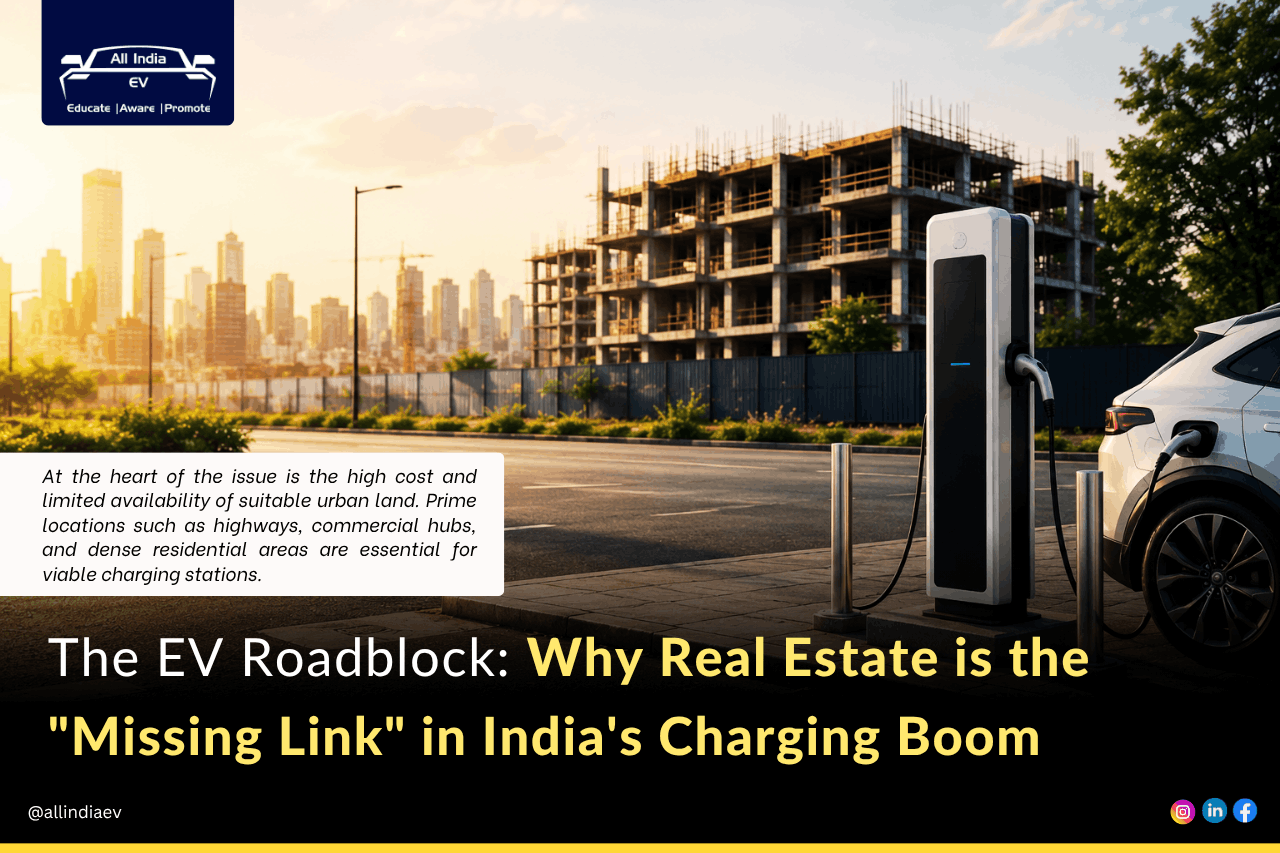
Real estate access is emerging as another critical issue. Charging point operators are finding it increasingly difficult to secure commercially viable locations because landlords and property developers often prefer tenants with faster revenue generation models. Experts described this as “land-locking,” where EV charging projects lose out to retail, food, or commercial leasing opportunities. At the same time, electricity distribution companies are demanding high upfront deposits for grid connectivity and transformer upgrades, substantially increasing initial project costs.
The operational challenges extend beyond land acquisition. Multiple stakeholders highlighted issues such as delayed fire safety approvals in residential societies, inconsistent charger uptime, weak grid infrastructure in certain regions, and rising maintenance expenses. Fast charging stations require significant electrical infrastructure including transformers, heavy-duty cabling, cooling systems, and high-capacity connections, all of which raise capex while delaying profitability. Industry participants believe policy support exists on paper, but execution gaps continue to slow nationwide rollout momentum.
More EV News

Breaking Down the Update
• India sold over 24 lakh EVs in FY26 while charging deployment growth slowed in recent quarters
• Public charging infrastructure still faces low utilisation and long payback periods
• Urban real estate costs are becoming a major barrier for charging operators
• DISCOM security deposits reportedly range between ₹30 lakh and ₹70 lakh in some projects
• DC fast chargers require significantly higher infrastructure investment than AC chargers
• Fire NOC approvals remain a challenge for residential EV charging installations
• Industry executives say charger profitability depends heavily on consistent utilisation rates
• Oil marketing companies and public-sector fuel stations are increasingly viewed as scalable charging locations
How India EV charging expansion will help Indian EV Market
The India EV charging expansion process remains one of the most critical pillars for long-term EV adoption in the country. While vehicle sales continue to grow rapidly, especially in the electric two-wheeler and fleet mobility segments, infrastructure accessibility still determines consumer confidence. A reliable and visible charging network reduces range anxiety, improves intercity usability, and supports wider EV penetration beyond metro markets.
Expansion of public charging infrastructure can also create stronger economics for commercial fleets, ride-hailing operators, logistics companies, and electric bus deployments. As charging density improves, fleet turnaround times reduce and route planning becomes more efficient. This directly affects operating costs and vehicle utilisation rates.
The charging sector also has broader industrial implications. Higher infrastructure deployment increases demand for power electronics, transformers, battery systems, software platforms, grid management solutions, and energy storage integration. This could support domestic manufacturing growth under India’s localisation and clean energy transition goals.
However, the India EV charging expansion challenge will require coordinated execution between state governments, DISCOMs, real estate developers, oil companies, and private charging operators. Without faster approvals, viable land access, and sustainable utilisation models, infrastructure growth may struggle to match the pace of EV adoption in the coming years.
Way forward …
The India EV charging expansion story is moving into a phase where infrastructure quality and commercial sustainability matter more than headline installation numbers. The next stage of growth will depend on whether policymakers can simplify approvals, reduce grid integration costs, and improve investment viability for charging operators. Execution efficiency, rather than capital announcements alone, will determine how quickly India can build a dependable nationwide EV charging ecosystem.
Read More: Catch up on All India EV’s related coverage on India’s evolving commercial EV subsidies and battery swapping policies at All India EV